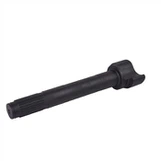
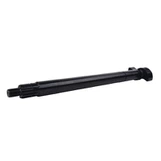
When it comes to maintaining and repairing trailers, one of the crucial components that might require replacement is the trailer axle camshaft. As a dedicated Trailer Axle Camshaft supplier, I understand the importance of having the right knowledge and tools for this task. In this blog, I'll walk you through the tools needed to replace a trailer axle camshaft, along with some essential tips and insights.
Understanding the Trailer Axle Camshaft
Before delving into the tools, it's essential to understand what a trailer axle camshaft is and its role. The camshaft in a trailer axle is a key part of the braking system. It plays a pivotal role in transferring the force from the brake chamber to the brake shoes. Specifically, when the brakes are applied, the camshaft rotates, pushing the brake shoes against the brake drum, which in turn slows down or stops the trailer. The two main types of camshafts you'll encounter are the S Cam, which you can learn more about at S CAM, and the Trailer Camshaft, more details of which can be found at Trailer Camshaft.
Necessary Tools for Replacement
1. Wrenches
A set of high - quality wrenches is an absolute necessity. You'll need open - end wrenches, box - end wrenches, and socket wrenches in various sizes. The reason for this is that different parts of the trailer axle system, such as the nuts, bolts, and fittings holding the camshaft, come in different shapes and sizes. For example, the bolts securing the camshaft to the axle housing may require a specific size of socket wrench for a proper fit. Make sure to have both metric and standard sizes to cover all possible scenarios.
2. Brake Spring Tool
Brake springs are under a significant amount of tension in a trailer's braking system. A brake spring tool is specifically designed to safely remove and install these springs. Attempting to remove or install brake springs without the proper tool can be extremely dangerous, as the springs can snap back with enough force to cause serious injury. This tool is essential for accessing and working on the camshaft, as you'll likely need to remove the brake shoes and springs to get to the camshaft.
3. Bearing Puller
The camshaft is usually mounted on bearings. To remove the old camshaft, you'll need a bearing puller. This tool is designed to grip the bearing and pull it off the camshaft or the axle housing. There are different types of bearing pullers available, such as two - jaw and three - jaw pullers. Choose the one that is appropriate for the size and type of bearing you're dealing with.
4. Torque Wrench
Once you've installed the new camshaft, it's crucial to tighten all the bolts and nuts to the correct torque specifications. A torque wrench allows you to apply a specific amount of force when tightening, ensuring that the components are properly secured without being over - tightened, which could lead to damage, or under - tightened, which could result in loose connections.
5. Pry Bars
Pry bars are useful for various tasks during the camshaft replacement. You might need them to gently pry apart components, such as separating the brake drum from the backing plate or moving some stubborn parts to access the camshaft. However, be careful when using pry bars to avoid damaging the components.
6. Brake Grease and a Grease Gun
Applying brake grease is an important step in the camshaft replacement process. The grease reduces friction between moving parts, extends the lifespan of the components, and ensures smooth operation. A grease gun is used to apply the brake grease precisely to the necessary areas, such as the camshaft bearings and the contact points between the camshaft and the brake shoes.
7. Safety Equipment
Safety should always be a top priority. You'll need safety glasses to protect your eyes from debris, gloves to protect your hands from sharp edges and grease, and a good pair of work boots. Additionally, if you're working under the trailer, use jack stands to secure the trailer and prevent it from falling.
Step - by - Step Replacement Process
- Prepare the Trailer: Park the trailer on a level surface and engage the parking brake. Chock the wheels to prevent the trailer from rolling. If necessary, use a jack to lift the trailer and place it on jack stands.
- Remove the Brake Drum: Use a wrench to remove the bolts holding the brake drum in place. If the brake drum is stuck, you can use a pry bar to gently tap it loose.
- Remove the Brake Shoes and Spring: Use the brake spring tool to remove the brake springs and then take out the brake shoes.
- Remove the Old Camshaft: Use the bearing puller to remove the bearings from the camshaft. Then, remove the bolts securing the camshaft to the axle housing using the appropriate wrenches.
- Install the New Camshaft: Apply brake grease to the new camshaft's bearings and other contact points. Insert the new camshaft into the axle housing and secure it with the bolts. Use the torque wrench to tighten the bolts to the correct torque specifications.
- Reassemble the Braking System: Reinstall the brake shoes and springs using the brake spring tool. Make sure everything is properly aligned.
- Install the Brake Drum: Put the brake drum back in place and tighten the bolts.
Tips for a Successful Replacement
- Refer to the Manual: Always refer to the trailer's service manual for specific instructions and torque specifications. Different trailers may have different requirements.
- Inspect Other Components: While you're replacing the camshaft, take the opportunity to inspect other components of the braking system, such as the brake shoes and drums, for wear and tear. Replace any worn - out parts as needed.
- Test the Brakes: After the replacement is complete, test the brakes to make sure they are functioning correctly. Check for any unusual noises or vibrations.
Conclusion
Replacing a trailer axle camshaft is a complex but manageable task if you have the right tools and knowledge. As a Trailer Axle Camshaft supplier, I'm committed to providing high - quality camshafts that meet the strictest industry standards. If you're in the market for a new Trailer Axle Camshaft, or if you have any questions about the replacement process, please do not hesitate to contact us for a purchase negotiation. We're here to help you keep your trailers in top - notch condition.


References
- Trailer service manuals
- Professional automotive repair guides