


Brake Camshaft
What is Brake Camshaft
The brake camshaft is a part of the brake linkage for heavy duty truck air brakes. The camshaft is the component responsible for spreading the brake shoes apart. In air brake systems, the brake chamber expands and the operating rod pushes on the (brake) slack adjuster. As the operating rod pushes on the slack adjuster, it rotates around the shaft of the S-Cam. When the camshaft is rotated the eccentric shape of the cam head pushes the brake shoes apart. The brake shoes separate and cause friction between the brake lining and the brake drum. It is this friction that slows and stops the vehicle.
Advantages of Brake Camshaft
Efficient and reliable
Brake camshafts are highly efficient and reliable. They provide a smooth and consistent operation of the braking system, ensuring that the vehicle comes to a stop quickly and safely. The design of the camshaft is such that it provides the necessary force to the brake shoes, without requiring any external power source. This means that the braking system is completely self-contained and does not rely on any other system to function.
Low maintenance
Brake camshafts are designed to require minimal maintenance. They are made from durable materials and are built to withstand the rigors of daily use. The simplicity of their design means that they have fewer moving parts than other types of brake systems, reducing the risk of failure due to wear and tear. This translates into lower maintenance costs for the vehicle owner, making brake camshaft systems a cost-effective option for any vehicle.
Reduce noise
Brake camshafts have a unique design that helps to reduce the noise generated during the operation of the braking system. The camshaft controls the movement of the brake shoes, promoting a smooth and quiet operation. This is beneficial for both the driver and passengers in the vehicle, as it provides a more comfortable driving experience.
Better control
Brake camshafts provide better control over the braking system. The camshaft is designed to provide a more precise movement of the brake shoes, allowing for a finer level of control over the braking process. This enhanced control allows the vehicle to be brought to a stop in a shorter distance, reducing the risk of accidents and enhancing overall safety on the road.
More durable
Brake camshafts are designed to be more durable than other types of braking systems. They are made from high-quality materials that can withstand the harsh conditions of daily use. This durability means that the brakes are less likely to fail, providing peace of mind for the driver and passengers in the vehicle.


- Tel: +86-0595-22478130
- Fax: +86-0595-22467557
- Email: salesmanager@fuhuiautoparts.com
- Mob: 17750967862
- Add: 9 Yuanfu Road North, Jiangnan High-tech Industial Zone, Licheng District, Quanzhou City, FuJian Province, China
Why Choose US
Our Factory
Fuhui Auto Parts Co., Ltd is located in the famous hometown of oversea Chinese-Quanzhou city of Fujian Province. Founded in 1986, Fuhui is a high-new technology company which is professional in R&D and manufacturing auto parts and engineering machine parts.
01
Our Product
Our main products are brake camshafts(S-camshafts) and equilizer pin for the axles of heavy trucks, semi-trailer, trailer and passenger car.
02
Our Certificate
The company through the IATF16949:2016 International Quality Management System Certification. Our self-invented new CNC convex wheel milling machine gained rewords and won the Paris International Silver Trophy on the 7th International Exhibition of Inventions, New Techniques and Products, Kunshan.
03
Our Service
We always stick to the concept of " Quality First, Credit First", and offer high quality products with reasonable price and considerate service for customers. We sincerely welcome new and old customers at home and abroad to contact us and seek cooperation for mutual benefits.
04
Types of Brake Camshaft
Standard brake camshaft
A standard brake camshaft is the most commonly used type of brake camshaft in buses. It is designed to work with a variety of different brake systems and is a reliable and cost-effective option.
Slack adjuster brake camshaft
A slack adjuster brake camshaft is a more advanced type of brake camshaft that is designed to automatically adjust the brakes as they wear down. This helps to ensure that the brakes always have the optimal amount of pressure and can help to reduce maintenance costs over time.
Air brake camshaft
An air brake camshaft is specifically designed for use with air brake systems. It is a highly reliable option that is built to withstand high pressures and can help to provide excellent stopping power.
Hydraulic brake camshaft
A hydraulic brake camshaft is designed for use with hydraulic brake systems. It uses hydraulic fluid to control the brakes and offers excellent stopping power and control.
How Brake Camshafts Work
The brake camshaft is a part of the brake linkage for heavy duty truck air brakes. The camshaft is the component responsible for spreading the brake shoes apart. In air brake systems, the brake chamber expands and the operating rod pushes on the (brake) slack adjuster. As the operating rod pushes on the slack adjuster, it rotates around the shaft of the S-Cam. When the camshaft is rotated the eccentric shape of the cam head pushes the brake shoes apart. The brake shoes separate and cause friction between the brake lining and the brake drum. It is this friction that slows and stops the vehicle.

Factors to Consider When Choosing a Brake Camshaft
When choosing a brake camshaft for your bus, there are several important factors that you should consider. These include:
Compatibility
It is essential to choose a brake camshaft that is compatible with your bus's brake system. Different brake systems require different types of brake camshafts, so it is essential to choose the right one for your particular application.
01
Quality and reliability
The quality and reliability of the brake camshaft are also critical factors to consider. A high-quality brake camshaft will be made from durable materials and will be designed to withstand the rigors of bus use. It should also be reliable and not require frequent maintenance or repairs.
02
Stopping power
The stopping power of the brake camshaft is also important. It should be able to provide strong and consistent stopping power, even in emergency situations.
03
Cost
Cost is always a factor when choosing any part for your bus. While it is essential to choose a high-quality brake camshaft, you also want to make sure that it is affordable and fits within your budget.
04
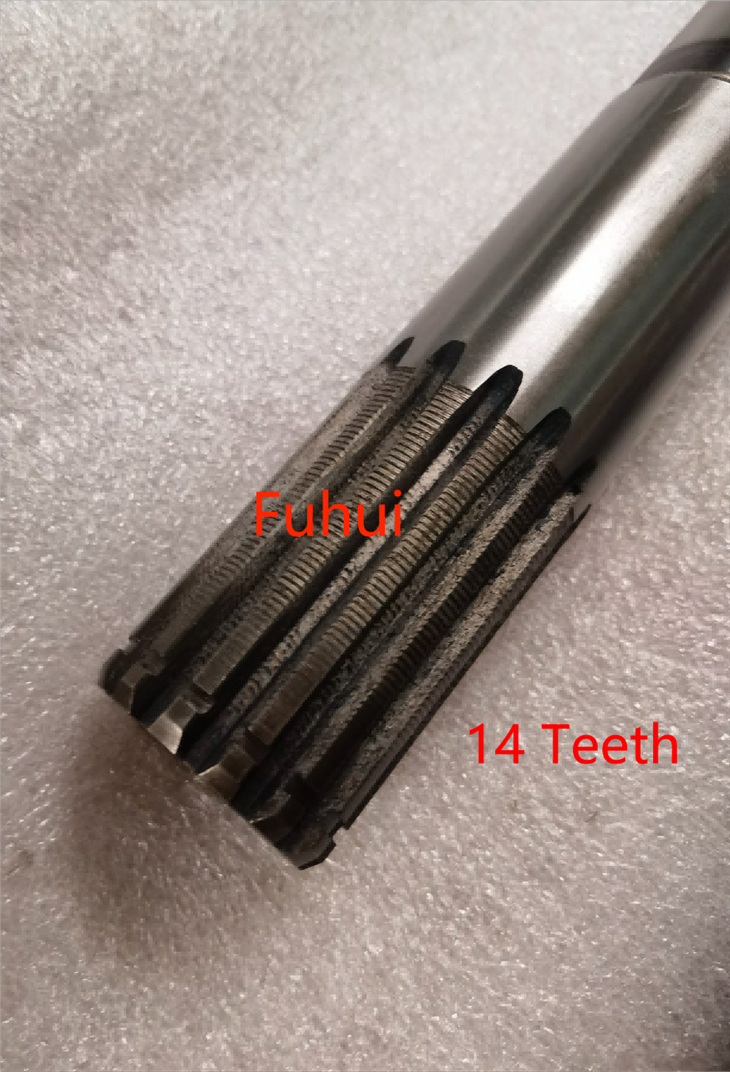
Our Brake Camshaft for Trailer is suitable for a wide range of trailer applications, including:
Cargo Trailers: Our brake camshaft is ideal for cargo trailers used in transportation and logistics. It ensures safe and efficient loading and unloading of cargo.
Construction Trailers: Our Brake Camshaft is perfect for heavy-duty trailers used in construction sites. It provides reliable braking power, ensuring enhanced safety and performance.
Boat Trailers: Our brake camshaft is suitable for boat trailers used in marine environments, as it features corrosion-resistant properties.
Recreational Trailers: Our Brake Camshaft is ideal for recreational trailers and ensures a safe and enjoyable experience for users.
Materials for Making Car Camshafts
Camshafts come from quite a range of metals with the type of material used determining properties such as durability. Below is a list of materials camshafts you can consider:
Hardenable Iron
This material falls under grade 17 cast iron and it also consists of about 1% chrome to produce a range of 5-7% carbide. Hardenable iron can serve as a substitute for steel camshafts. It is applicable in areas where there is an overflow of oil.
Chilled Chrome Cast Iron
It also contains 1% chrome, like hardenable iron. This material is more compatible with the casting process of manufacturing camshafts and is suitable for manufacturing high-quality and large quantities of OHC operating camshafts. However, It’s more expensive than the other types of cast iron, it has strong resistance to unfavorable conditions.
Carbon Steel (EN8/EN9)
It is applicable for producing roller camshafts and hardened camshafts because of its excellent properties and hardened attributes.
Nitriding Steel (EN 40B)
EN 40B is the best option for camshafts. It is the steel version of chilled iron known for its hard surface finish and is one of the few lightweight automotive part materials.
Suitable Methods for Manufacturing Camshafts
There should be much consideration during camshafts production due to their functions. There are two manufacturing processes suitable for parts such as camshafts:
Casting
Casting is a popular metal-forming process that involves melting the metal and allowing it to cool in a die. In camshaft manufacturing, chilled cast iron is the basic material for manufacturing camshafts. Additionally, elements like copper, nickel, vanadium, silicon, and molybdenum can also serve as additional materials to improve its machinability and preserve its carbide attributes.
There are several types of casting: die casting, vacuum casting, sand casting, etc., and it is better to talk to a professional to avoid an unsuccessful operation.
CNC Machining
CNC machining is a subtractive method that involves using computer-controlled tools to remove part of a material and make a final product. It is also applicable in making gear, and cylinder heads, and is the better method in terms of meeting the appropriate design specifications. It uses various machine tools and techniques to create different designs of camshafts.
Structure of a Camshaft
Precautions for Using Brake Camshaft


Common faults of camshaft include abnormal wear, abnormal noise and fracture. Abnormal wear often occurs before abnormal noise and fracture.
(1)The camshaft is almost at the end of the engine lubrication system, so the lubrication condition is not optimistic. If the oil supply pressure of the oil pump is insufficient due to long service time, or the lubricating oil passage is blocked and the lubricating oil cannot reach the camshaft, or the tightening torque of the bearing cover fastening bolt is too large and the lubricating oil cannot enter the camshaft clearance, the camshaft will be abnormally worn.
(2)The abnormal wear of the camshaft will cause the gap between the camshaft and the bearing seat to increase, and the axial displacement will occur when the camshaft moves, resulting in abnormal noise. Abnormal wear will also cause the gap between the drive cam and the hydraulic tappet to increase, and the cam will collide with the hydraulic tappet when it is combined, resulting in abnormal noise.
(3)The camshaft sometimes has serious faults such as fracture. The common causes are hydraulic tappet fracture or serious wear, serious poor lubrication, poor camshaft quality and camshaft timing gear fracture.
(4)In some cases, the camshaft failure is caused by human factors, especially when the camshaft is not properly disassembled during engine maintenance. For example, when removing the camshaft bearing cover, use a hammer to forcefully knock it or use a screwdriver to pry it, or install the bearing cover in the wrong position, resulting in the mismatch between the bearing cover and the bearing seat, or the tightening torque of the fastening bolts of the bearing cover is too large. When installing the bearing cover, pay attention to the direction arrow and position number on the surface of the bearing cover, and tighten the fastening bolts of the bearing cover with a torque wrench in strict accordance with the specified torque.
FAQ
We're well-known as one of the leading brake camshaft manufacturers and suppliers in China. Please feel free to wholesale bulk high quality brake camshaft at competitive price from our factory. For customized service, contact us now.
153 Brake Camshaft, 383 camshaft, 1094 Brake Camshaft