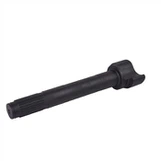
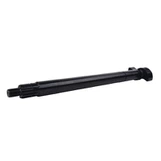
As a supplier of S Camshafts, I've witnessed firsthand the crucial role these components play in the automotive and heavy - duty vehicle industries. S Camshafts are an integral part of the braking system, especially in trucks and buses. However, it's essential to delve into the environmental impacts associated with their manufacturing process.
Raw Material Extraction
The production of an S Camshaft begins with the extraction of raw materials. The primary material used for S Camshafts is typically steel or alloy steel. Steel is made from iron ore, which is mined from the earth. The mining process has several significant environmental implications.
Mining operations often involve large - scale excavation, which can lead to deforestation and habitat destruction. Trees are cleared to make way for mining activities, disrupting local ecosystems and displacing wildlife. Additionally, the extraction of iron ore generates a substantial amount of waste rock. This waste rock is often dumped in large piles, which can contaminate soil and water sources. Heavy metals and other pollutants can leach from the waste rock into nearby rivers and groundwater, posing a threat to aquatic life and human health.
Moreover, the energy required for mining and transporting iron ore is substantial. Diesel - powered trucks and heavy machinery are commonly used in mining operations, emitting large amounts of greenhouse gases such as carbon dioxide (CO₂), methane (CH₄), and nitrous oxide (N₂O). These emissions contribute to global warming and climate change.
Manufacturing Processes
Once the raw materials are obtained, the manufacturing of S Camshafts involves several complex processes, each with its own environmental footprint.
Melting and Casting
The first step in manufacturing an S Camshaft is melting the steel. This is usually done in a furnace, which requires a significant amount of energy. Most furnaces are powered by fossil fuels such as coal, oil, or natural gas. The combustion of these fuels releases large quantities of CO₂ into the atmosphere. For example, coal - fired furnaces are particularly carbon - intensive, as coal has a high carbon content.
After melting, the molten steel is cast into the shape of the S Camshaft. The casting process can generate waste in the form of excess metal and slag. Slag is a by - product of the melting process that contains impurities and other unwanted substances. Disposing of slag can be challenging, as it may contain heavy metals and other pollutants. If not properly managed, slag can contaminate soil and water.
Machining and Finishing
Once the S Camshaft is cast, it undergoes machining processes such as turning, milling, and grinding to achieve the required dimensions and surface finish. These machining operations generate a significant amount of metal chips and dust. Metal chips are often recycled, but the process of recycling also requires energy. The dust generated during machining can be a health hazard if inhaled by workers, and it may also contain small amounts of heavy metals.
Finishing processes, such as heat treatment and coating, are also energy - intensive. Heat treatment is used to improve the mechanical properties of the S Camshaft, while coating is applied to protect it from corrosion. Heat treatment typically involves heating the camshaft to high temperatures in a furnace, which again consumes a large amount of energy. Coatings may contain chemicals that can be harmful to the environment if not properly managed.
Packaging and Transportation
After the S Camshafts are manufactured, they need to be packaged and transported to customers. Packaging materials, such as cardboard boxes, plastic wraps, and wooden pallets, contribute to waste generation. Cardboard boxes are often made from trees, and the production of cardboard requires energy and water. Plastic wraps are derived from petroleum, a non - renewable resource, and they can take hundreds of years to decompose in the environment.
Transportation is another significant source of environmental impact. S Camshafts are often shipped long distances by trucks, trains, or ships. Trucks are the most common mode of transportation for short - to medium - distance shipments. However, trucks are highly fuel - inefficient and emit large amounts of CO₂ and other pollutants. Trains and ships are more fuel - efficient for long - distance transportation, but they still contribute to greenhouse gas emissions.
Waste Management
Throughout the manufacturing process, waste management is a critical issue. As mentioned earlier, there are various types of waste generated, including waste rock from mining, metal chips from machining, slag from casting, and packaging materials.
Proper waste management is essential to minimize the environmental impact. Recycling is one of the most effective ways to reduce waste. Metal chips and excess metal can be recycled and reused in the manufacturing process, reducing the need for new raw materials. However, recycling also requires energy and resources.
Disposal of non - recyclable waste, such as slag and some types of packaging materials, needs to be carefully managed. Landfilling is a common method of waste disposal, but it has its own environmental problems. Landfills can release methane, a potent greenhouse gas, as organic materials decompose. Additionally, leachate from landfills can contaminate groundwater if not properly contained.
Mitigation Strategies
As an S Camshaft supplier, we are committed to reducing the environmental impact of our manufacturing processes. Here are some of the strategies we are implementing:
Raw Material Sourcing
We are working with our suppliers to source raw materials from mines that adhere to strict environmental standards. This includes mines that practice responsible mining, such as reforestation after mining operations and proper waste management. We are also exploring the use of recycled steel, which can significantly reduce the environmental impact associated with raw material extraction.
Energy Efficiency
We are investing in energy - efficient technologies in our manufacturing facilities. This includes upgrading our furnaces to more energy - efficient models, installing energy - saving lighting systems, and optimizing our production processes to reduce energy consumption. For example, we are using advanced control systems to regulate the temperature and energy input in our furnaces more precisely.
Waste Reduction and Recycling
We have implemented a comprehensive waste management program in our facilities. We are increasing the recycling rate of metal chips and excess metal, and we are exploring ways to recycle or reuse other types of waste, such as slag. We are also reducing the use of packaging materials by optimizing our packaging designs and using more sustainable materials.
Transportation Optimization
We are working with our logistics partners to optimize the transportation of our S Camshafts. This includes consolidating shipments to reduce the number of trucks on the road and using more fuel - efficient modes of transportation, such as trains and ships, for long - distance shipments.
Conclusion
The manufacturing of an S Camshaft has significant environmental impacts, from raw material extraction to transportation and waste management. However, by implementing mitigation strategies, we can reduce these impacts and move towards a more sustainable manufacturing process.


If you are in the market for high - quality S Camshafts, we invite you to [initiate a conversation about your procurement needs]. We are dedicated to providing not only top - notch products but also to ensuring that our manufacturing processes are as environmentally friendly as possible. You can learn more about our S Camshafts by visiting S Camshaft, Camshaft On Truck, and Rear Brake Camshaft.
References
- "Environmental Impacts of the Steel Industry." World Steel Association.
- "Mining and the Environment." United Nations Environment Programme.
- "Energy Efficiency in Manufacturing." International Energy Agency.