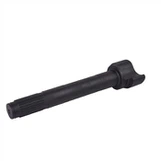
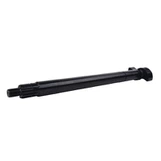
Lubrication in a Brake S Camshaft plays a pivotal role, and as a Brake S Camshaft supplier, I'm super excited to dig deep into this topic. Let's first understand what a Brake S Camshaft is. The S Camshaft is a crucial part in the braking system, mainly used in heavy vehicles like trucks and semi - trailers. Linking to the beauty of this component, you can check out more details about the S Camshaft.
Understanding the Basics of Brake S Camshaft
The Brake S Camshaft is like the unsung hero in the vehicle's braking mechanism. When you press the brake pedal, the air pressure activates the S Camshaft. This camshaft rotates, pushing the brake shoes against the brake drums, and voila, your vehicle slows down or stops. For instance, in a Brake Camshaft Of HinoHeavy Truck, this process is extremely vital for the safety of the vehicle and its passengers.
The Role of Lubrication
Reducing Friction
Friction is the enemy when it comes to the smooth operation of the Brake S Camshaft. Without proper lubrication, the moving parts of the S Camshaft will rub against each other. This constant rubbing generates heat and can lead to wear and tear. Lubricants create a thin film between these moving parts, such as the camshaft and the brake shoes. This film reduces the direct contact, thereby minimizing friction. Just like you would use oil to make a squeaky door hinge move smoothly, lubrication in the Brake S Camshaft ensures that the camshaft rotates with ease.
Preventing Wear
Wear is an inevitable consequence of mechanical movement. But with lubrication, we can significantly slow down this process. The lubricant acts as a protective shield for the S Camshaft. In a Semi Trailer S CAM, which is constantly subjected to heavy loads and frequent braking, proper lubrication can prevent the premature failure of the camshaft. If the camshaft wears out, it won't be able to push the brake shoes evenly, leading to uneven braking and potentially dangerous situations.
Heat Dissipation
Braking generates a huge amount of heat. The friction between the brake shoes and the drums, along with the movement of the S Camshaft, can heat up the entire braking system. Lubricants have the ability to absorb and dissipate this heat. They act as a coolant, ensuring that the temperature of the camshaft and its surrounding components remains within a safe range. If the heat isn't properly managed, it can cause the lubricant to break down, and more seriously, it can lead to component damage, like warping of the camshaft.
Corrosion Prevention
Vehicles are exposed to various environmental elements, including moisture and chemicals on the road. These elements can cause corrosion on the Brake S Camshaft. Lubricants form a protective layer on the surface of the camshaft, preventing moisture and corrosive substances from coming into direct contact with the metal. This is especially important for vehicles that operate in humid or coastal areas, where the risk of corrosion is higher.
Types of Lubricants for Brake S Camshaft
Greases
Greases are a popular choice for lubricating Brake S Camshafts. They are thick and sticky, which allows them to stay in place even under heavy loads and high temperatures. Greases usually contain additives that enhance their performance, such as anti - wear agents and corrosion inhibitors. They can provide long - lasting lubrication and protection for the camshaft.
Oils
Some applications may use oils for lubrication. Oils are more fluid than greases and can provide better heat dissipation. They are easier to penetrate into small spaces within the camshaft mechanism. However, they may require more frequent re - application compared to greases, as they are more likely to drip or leak.
Best Practices for Lubrication
Regular Inspection
As a Brake S Camshaft supplier, I always recommend regular inspection of the lubrication status. Check the lubricant level and its condition periodically. If the lubricant is dirty, contaminated, or shows signs of breakdown, it should be replaced immediately. A simple visual inspection can help you identify potential problems early on.
Correct Application
When applying the lubricant, make sure to follow the manufacturer's instructions. Apply the right amount of lubricant to the right places. For example, pay close attention to the contact points between the camshaft and the brake shoes. Incorrect application can lead to improper lubrication, which may result in component failure.
Compatibility
Ensure that the lubricant you choose is compatible with the materials of the Brake S Camshaft and other braking system components. Using an incompatible lubricant can cause chemical reactions, leading to damage to the components.


The Impact of Poor Lubrication
Safety Risks
Poor lubrication can directly affect the braking performance of the vehicle. If the camshaft doesn't rotate smoothly due to lack of lubrication, the brake shoes may not be applied evenly, resulting in longer braking distances. This is a huge safety risk, especially for large vehicles traveling at high speeds.
Increased Maintenance Costs
When the S Camshaft isn't properly lubricated, it will wear out faster. This means more frequent replacement of the camshaft and other related components. On top of that, you may also have to deal with other problems caused by heat and friction, such as damaged brake shoes and drums. All these add up to increased maintenance costs over time.
Conclusion
In conclusion, lubrication in a Brake S Camshaft is not just a minor detail; it's a critical factor in ensuring the safe and efficient operation of a vehicle's braking system. As a Brake S Camshaft supplier, I understand the importance of proper lubrication, and I want to share this knowledge with you. If you're in the market for high - quality Brake S Camshafts or have any questions about lubrication, feel free to contact me for further discussions. We can work together to make sure your vehicles are equipped with the best - performing braking components.
References
- Automotive Brake Systems Handbook
- Heavy Vehicle Maintenance Guide