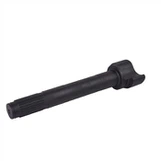
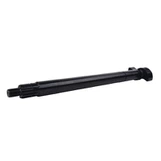
Hey there! As a supplier of the 1094 Brake Camshaft, I've been getting a lot of questions lately about the differences in using this crucial part in electric and traditional vehicles. So, I thought I'd sit down and break it all down for you.
Let's start with a quick intro to the 1094 Brake Camshaft. It's a key component in the braking system of many vehicles. When you step on the brake pedal, the camshaft rotates, pushing the brake shoes against the brake drum, which then slows down or stops the vehicle. It's a simple yet vital mechanism that ensures your safety on the road.
Traditional Vehicles
In traditional vehicles, which typically run on gasoline or diesel engines, the 1094 Brake Camshaft has been a tried-and-true part of the braking system for ages. These engines generate power through internal combustion, and the vehicle's braking system is directly tied to the mechanical operation of the engine and the overall vehicle setup.
One of the main characteristics of using the 1094 Brake Camshaft in traditional vehicles is the mechanical nature of the braking system. The force applied to the brake pedal is transferred through a series of mechanical linkages, rods, and levers to the camshaft. This mechanical connection means that the response of the braking system is relatively straightforward. When you press the pedal, the camshaft rotates, and the brakes engage.
However, this mechanical setup also has its drawbacks. Over time, the components can wear out due to friction and constant use. The camshaft itself may experience wear on its surfaces, which can lead to reduced braking efficiency. Regular maintenance, such as lubrication and inspection, is crucial to keep the braking system in top shape. For example, if the camshaft isn't properly lubricated, it can cause excessive wear on the brake shoes and the drum, leading to longer stopping distances and potential safety hazards.
Another aspect to consider is the heat generated during braking. In traditional vehicles, the friction between the brake shoes and the drum produces a significant amount of heat. The 1094 Brake Camshaft needs to be able to withstand this heat without deforming or losing its shape. If the camshaft gets too hot, it can affect its performance and the overall braking ability of the vehicle. That's why materials with high heat resistance are often used in the manufacturing of these camshafts.
Electric Vehicles
Now, let's shift our focus to electric vehicles (EVs). These vehicles are powered by electric motors, which bring a whole new set of characteristics to the table when it comes to the braking system and the use of the 1094 Brake Camshaft.


One of the biggest differences is the regenerative braking system that many EVs have. Regenerative braking allows the vehicle to convert some of the kinetic energy generated during braking back into electrical energy, which is then stored in the battery. This means that the traditional friction braking system, including the 1094 Brake Camshaft, is used less frequently compared to traditional vehicles.
The reduced use of the friction braking system in EVs has some advantages. Since the camshaft isn't being used as often, it experiences less wear and tear. This can lead to longer service intervals and lower maintenance costs. However, it also means that when the friction brakes are needed, they may not be as responsive if they haven't been used for a while. For example, if an EV has been relying mainly on regenerative braking and suddenly needs to use the friction brakes in an emergency, the camshaft and other braking components may need a moment to "wake up" and engage fully.
Another difference is the weight distribution in EVs. Electric vehicles often have heavy battery packs, which can change the way the vehicle handles and the forces acting on the braking system. The 1094 Brake Camshaft needs to be designed to handle these different forces. In some cases, EVs may require a more robust or specially designed camshaft to ensure proper braking performance.
The electronic systems in EVs also play a role. These vehicles have sophisticated control systems that can adjust the braking force based on various factors, such as vehicle speed, road conditions, and driver input. The 1094 Brake Camshaft works in conjunction with these electronic systems to provide a smooth and efficient braking experience. For instance, the electronic control unit (ECU) can monitor the rotation of the camshaft and adjust the braking force accordingly to optimize performance.
Performance and Efficiency
When it comes to performance, both traditional and electric vehicles have their own unique requirements for the 1094 Brake Camshaft. In traditional vehicles, the camshaft needs to provide reliable and consistent braking performance under a wide range of conditions. It has to be able to handle the high forces generated by the mechanical braking system and the heat produced during heavy braking.
In electric vehicles, while the overall wear on the camshaft may be less, the performance requirements are still high. The camshaft needs to work seamlessly with the regenerative braking system and the electronic control systems to provide precise and responsive braking. Any delay or inconsistency in the camshaft's operation can affect the overall braking performance and the safety of the vehicle.
In terms of efficiency, the reduced use of the friction braking system in EVs can lead to better energy efficiency. Since the regenerative braking system captures some of the energy that would otherwise be lost as heat in traditional vehicles, the overall energy consumption of the vehicle is reduced. However, it's important to note that the 1094 Brake Camshaft still plays a crucial role in ensuring that the vehicle can stop safely when needed.
Maintenance and Durability
As mentioned earlier, maintenance is a key factor in both traditional and electric vehicles. In traditional vehicles, regular maintenance of the 1094 Brake Camshaft is essential to prevent wear and ensure proper braking performance. This includes checking the camshaft for signs of wear, lubricating it, and replacing any worn-out components.
In electric vehicles, while the maintenance requirements may be less frequent, it's still important to inspect the camshaft periodically. Even though the wear is reduced, other factors such as corrosion or electrical issues in the associated components can affect the camshaft's performance. For example, if there is a problem with the electronic control system that interfaces with the camshaft, it can lead to improper braking.
When it comes to durability, the materials used in the manufacturing of the 1094 Brake Camshaft are crucial. High-quality materials with good wear resistance and heat resistance are necessary to ensure a long service life. Whether it's in a traditional or electric vehicle, a durable camshaft can save you money in the long run by reducing the need for frequent replacements.
Where to Find the Right 1094 Brake Camshaft
If you're in the market for a 1094 Brake Camshaft, we've got you covered. We offer a wide range of high-quality camshafts that are suitable for both traditional and electric vehicles. You can check out our Brake S Camshaft For Truck for more options. We also have S Camshaft Cross Reference Camshaft Examples to help you find the right camshaft for your specific vehicle. And if you're looking for a camshaft for a specific model like the Sinotruk HOWO 70t, our Axle Parts Rear Brake Camshaft Wg9970340026 For Sinotruk HOWO 70t is a great choice.
Let's Connect
If you have any questions about the 1094 Brake Camshaft or need help finding the right part for your vehicle, don't hesitate to reach out. We're here to assist you with all your braking system needs. Whether you're a mechanic, a vehicle owner, or a fleet manager, we can provide you with the information and products you need to keep your vehicles safe on the road.
References
- Automotive Braking Systems Handbook
- Electric Vehicle Technology and Applications
So, there you have it! The differences in using the 1094 Brake Camshaft in electric and traditional vehicles. I hope this blog has been helpful in understanding how this important component works in different types of vehicles. If you have any more questions or want to share your own experiences, feel free to leave a comment below.