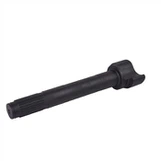
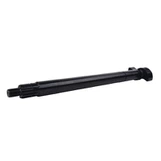
As a reputable supplier of camshafts for trucks, I understand the critical role these components play in the efficient and safe operation of vehicles. A well-maintained camshaft is essential for optimal engine performance, reduced wear and tear, and extended lifespan of your truck. In this blog post, I'll share some valuable insights on how to maintain a camshaft for trucks, ensuring that your vehicles run smoothly and reliably.
Understanding the Camshaft
Before delving into maintenance tips, it's important to understand what a camshaft is and how it functions. A camshaft is a crucial part of an engine's valvetrain system. It consists of a shaft with a series of cams, which are lobes that control the opening and closing of the engine's intake and exhaust valves. As the camshaft rotates, the cams push against the valves, allowing the air-fuel mixture to enter the combustion chamber and the exhaust gases to exit.
The design and operation of the camshaft directly impact the engine's power, torque, and fuel efficiency. Therefore, proper maintenance of the camshaft is vital to ensure that these functions are performed correctly.
Regular Inspection
Regular inspection is the first step in maintaining a camshaft for trucks. This involves visually examining the camshaft for any signs of wear, damage, or corrosion. Look for any scoring, pitting, or uneven surfaces on the cam lobes, as these can indicate excessive wear or improper lubrication.
Inspect the camshaft bearings for signs of damage or excessive play. Worn bearings can cause the camshaft to wobble, leading to uneven valve operation and potential engine damage. Check the timing chain or belt that drives the camshaft for any signs of wear, stretching, or damage. A worn timing chain or belt can cause the camshaft to run out of sync with the crankshaft, resulting in poor engine performance or even engine failure.
Lubrication
Proper lubrication is essential for the smooth operation and longevity of a camshaft. The camshaft and its associated components are subject to high levels of friction and wear, and without adequate lubrication, they can quickly deteriorate.
Use a high-quality engine oil that meets the manufacturer's specifications for your truck. The oil should have the right viscosity and additives to provide excellent lubrication and protection for the camshaft. Change the engine oil and oil filter at regular intervals, as recommended by the vehicle manufacturer. This helps to remove any contaminants and debris that can cause premature wear of the camshaft.
In addition to engine oil, some camshafts may require additional lubrication in the form of camshaft lubricant or assembly lube. This is especially important when installing a new camshaft or performing major engine repairs. Follow the manufacturer's instructions when applying camshaft lubricant to ensure proper coverage and protection.
Alignment and Timing
Proper alignment and timing of the camshaft are crucial for the correct operation of the engine. The camshaft must be precisely aligned with the crankshaft and the other components of the valvetrain system to ensure that the valves open and close at the right time.
When installing a new camshaft or performing any work on the valvetrain, it's important to follow the manufacturer's specifications for camshaft alignment and timing. Use the appropriate tools and techniques to ensure accurate installation and adjustment. Incorrect camshaft alignment or timing can cause a variety of problems, including poor engine performance, misfires, and increased emissions.


Cleaning
Keeping the camshaft clean is another important aspect of maintenance. Over time, dirt, debris, and carbon deposits can accumulate on the camshaft and its associated components, which can affect their performance and lifespan.
Use a suitable cleaning agent and a soft brush to clean the camshaft and the surrounding areas. Be careful not to damage the cam lobes or other sensitive components during the cleaning process. After cleaning, rinse the camshaft thoroughly with clean water and dry it completely before reinstalling it.
Storage
If you need to store a camshaft for an extended period, it's important to take proper precautions to prevent damage. Store the camshaft in a clean, dry place, away from moisture, dirt, and other contaminants. Wrap the camshaft in a protective material, such as plastic or greaseproof paper, to prevent corrosion and damage.
Before storing the camshaft, apply a thin layer of camshaft lubricant or rust inhibitor to protect it from oxidation. Check the camshaft periodically during storage to ensure that it remains in good condition.
Conclusion
Maintaining a camshaft for trucks is a critical aspect of vehicle maintenance that can help to ensure optimal engine performance, reliability, and longevity. By following the tips outlined in this blog post, you can keep your camshaft in top condition and avoid costly repairs and downtime.
As a [Your Company Type] of [Camshaft For Turck], we offer a wide range of high-quality camshafts for various truck models. Our camshafts are designed and manufactured to meet the highest standards of quality and performance, ensuring that they provide reliable and long-lasting service.
If you're in the market for a new camshaft for your truck or need more information about camshaft maintenance, please feel free to [Contact Method]. We're here to help you find the right camshaft for your needs and provide you with the support and expertise you need to keep your truck running smoothly.
References
- "Automotive Engine Design" by David Crolla
- "How to Rebuild Your Small-Block Chevy V-8" by Jeff Smith
- Manufacturer's service manuals for various truck models