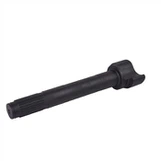
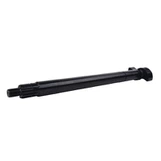
Regular maintenance plays a pivotal role in guaranteeing the extended service life of a heavy truck camshaft. These components are integral to the proper functioning of a heavy truck's engine, acting as the control center for the opening and closing of intake and exhaust valves. Their performance directly influences the engine's power output, fuel efficiency, and overall reliability. As a seasoned heavy - truck camshaft supplier, I am well - versed in the numerous factors that can influence the lifespan of these crucial parts. In this piece, I'll share in - depth insights and practical tips on how to effectively extend the service life of your heavy - truck camshaft.
I. Understanding the Role of the Camshaft in Heavy Trucks
Before discussing how to extend its service life, it's essential to understand the camshaft's function. In a heavy truck engine, the camshaft is precisely timed to the crankshaft. As the crankshaft rotates, it drives the camshaft through a timing belt, chain, or gears. The camshaft's lobes are designed to push against the engine's valves, opening them to allow air - fuel mixture into the combustion chamber and expelling exhaust gases after combustion. This process is crucial for the engine's four - stroke cycle: intake, compression, power, and exhaust.
The quality of camshaft material is fundamental to its performance. High - strength alloy steels are commonly used in the manufacturing of heavy - truck camshafts. For instance, alloy steel with elements like chromium and nickel can significantly enhance the camshaft's hardness, wear resistance, and fatigue strength. This enables the camshaft to withstand the high - pressure forces and continuous friction generated during engine operation.
As a camshaft supplier, I've observed that different engine designs can demand specific camshaft profiles. For example, engines optimized for high - torque at low speeds may have camshafts with profiles that keep the intake valves open longer to allow more air - fuel mixture into the cylinders. On the other hand, engines designed for high - speed performance may have camshafts with profiles that ensure rapid valve opening and closing.


II. Factors Affecting the Service Life of Heavy - Truck Camshafts
- Lubrication
Proper lubrication is the lifeblood of a camshaft. The lubricating oil forms a thin film between the camshaft lobes and the valve lifters, reducing friction and wear. Inadequate lubrication can lead to metal - to - metal contact, causing excessive wear, heat generation, and even seizure of the camshaft.
One of the main reasons for poor lubrication is using the wrong type of oil. Heavy - truck engines require oils with high viscosity and excellent anti - wear additives. For example, oils with a viscosity rating of 15W - 40 or 20W - 50 are commonly recommended for heavy - duty applications. Additionally, old or contaminated oil can lose its lubricating properties over time. Regular oil changes, ideally according to the manufacturer's recommendations, are essential to maintain proper lubrication. As a camshaft supplier, I often advise customers to use high - quality synthetic oils, which offer better thermal stability and protection against wear compared to conventional oils. - Fuel Quality
The quality of fuel used in a heavy truck can also impact the camshaft's lifespan. Low - quality fuel may contain impurities such as sulfur, water, and particulate matter. When these impurities enter the combustion chamber, they can cause incomplete combustion, leading to the formation of carbon deposits on the valves and the camshaft. Over time, these deposits can increase friction and wear on the camshaft lobes.
It's crucial to use high - grade fuels that meet the engine manufacturer's specifications. Filtration systems can also help remove impurities from the fuel before it reaches the engine. For example, fuel filters with fine - mesh elements can trap contaminants, preventing them from causing damage to the engine components, including the camshaft. - Installation and Maintenance
Incorrect installation of the camshaft can lead to premature wear and failure. The camshaft must be installed with precise timing and alignment to ensure proper valve operation. Even a slight misalignment can cause uneven wear on the camshaft lobes and valve lifters.
Regular maintenance checks are equally important. Inspecting the camshaft for signs of wear, such as pitting, scoring, or excessive clearance, can help detect potential problems early. Valve lash adjustment is another critical maintenance task. Over time, the valve lash can change due to wear on the camshaft and valve train components. Adjusting the valve lash within the manufacturer's recommended specifications can ensure optimal valve operation and reduce stress on the camshaft.
- Operating Conditions
The operating conditions of a heavy truck can have a significant impact on the camshaft's lifespan. Trucks that are frequently driven in stop - and - go traffic, or those that carry heavy loads over hilly terrain, put more stress on the engine and the camshaft. High - temperature and high - humidity environments can also accelerate wear and corrosion of the camshaft.
In such demanding conditions, it's essential to take extra precautions. For example, using an engine oil cooler can help maintain the oil temperature within a safe range, preventing the oil from breaking down and losing its lubricating properties. Additionally, ensuring proper ventilation in the engine compartment can help reduce heat and humidity levels, protecting the camshaft and other engine components.
III. Specific Maintenance Strategies
- Regular Inspections
Performing regular visual inspections of the camshaft is a straightforward yet effective way to detect early signs of wear. Look for any visible signs of damage, such as cracks, pitting, or abnormal wear patterns on the camshaft lobes. Measuring the camshaft's dimensions with precision tools, such as micrometers or calipers, can also help determine if the camshaft is within the manufacturer's specified tolerance.
As a heavy - truck camshaft supplier, I recommend inspecting the camshaft at least once a year or every 50,000 - 100,000 miles, depending on the vehicle's usage and operating conditions. Early detection of wear can allow for timely repairs or replacements, preventing more severe damage to the engine.
2. Proper Cleaning
Regular cleaning of the camshaft can help remove dirt, debris, and carbon deposits that may accumulate over time. Use a suitable cleaning solvent and a soft - bristled brush to gently clean the camshaft. Avoid using harsh chemicals or abrasive materials that could damage the camshaft's surface.
After cleaning, make sure to thoroughly dry the camshaft to prevent rust or corrosion. You can use compressed air or a clean, dry cloth to remove any remaining moisture.
3. Correct Adjustment of Valve Train
As mentioned earlier, proper valve lash adjustment is crucial for the camshaft's longevity. Use the manufacturer's recommended procedure and tools to adjust the valve lash. Incorrect valve lash can cause the valves to open and close at the wrong time, leading to reduced engine performance and increased wear on the camshaft.
It's also important to check and adjust the tension of the timing belt or chain if applicable. A loose or worn - out timing belt or chain can cause the camshaft to lose synchronization with the crankshaft, resulting in engine misfires and potential damage to the camshaft.
4. Upgrading and Customization
Depending on your heavy truck's specific requirements, upgrading certain components related to the camshaft may be beneficial. For example, upgrading to high - performance valve springs can help maintain proper valve control, especially at high engine speeds. Custom - made camshafts can also be designed to optimize engine performance for specific applications, such as towing or high - speed cruising.
As a supplier, I can offer consultation services to help you choose the right upgrades and customizations for your heavy truck. Our team of experts can analyze your engine's needs and recommend the most suitable camshaft and related components.
IV. Related Heavy - Truck Camshaft Types and Their Maintenance
- S CAM
The S CAM is a type of camshaft commonly used in heavy - truck braking systems. It is designed to convert the rotational motion of the brake chamber into linear motion, which applies the brakes. Similar to engine camshafts, proper lubrication is crucial for the S CAM. Regularly inspect the S CAM for signs of wear, such as excessive play or uneven rotation. Lubricate the S CAM with a high - quality grease to reduce friction and prevent corrosion. - S CAM Brake
The S CAM Brake is an integral part of the heavy - truck braking system that relies on the S CAM. Maintenance of the S CAM Brake involves regular inspections of the brake shoes, linings, and springs. Check for any signs of wear, cracking, or heat damage. Make sure the brake adjustment mechanisms are functioning correctly to ensure proper braking performance and to reduce stress on the S CAM. - Rear Axle Brake Camshaft
The Rear Axle Brake Camshaft is responsible for applying the brakes on the rear axles of heavy trucks. It is subject to high loads and wear, especially in trucks that carry heavy loads or operate in hilly areas. Regular maintenance of the rear - axle brake camshaft includes checking the camshaft's alignment and lubricating the moving parts. Inspect the brake drums and shoes for wear and adjust the brakes as needed to ensure optimal braking performance.
V. Conclusion
Extending the service life of a heavy - truck camshaft requires a comprehensive approach that includes proper lubrication, high - quality fuel, correct installation, regular maintenance, and consideration of operating conditions. By following the tips and strategies outlined in this article, you can significantly reduce wear and tear on your camshaft, ensuring reliable engine performance and lower maintenance costs.
As a leading heavy - truck camshaft supplier, we are committed to providing high - quality camshafts and related components. Our products are engineered to meet the most demanding requirements of heavy - truck applications. If you are interested in learning more about our camshaft products or need expert advice on camshaft maintenance and replacement, please don't hesitate to contact us for a purchasing consultation.
References
- Automotive Engine Design Manual.
- Heavy - Truck Maintenance Guide by major manufacturers.
- Technical papers on heavy - truck camshaft technology.