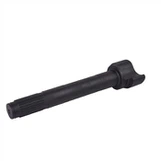
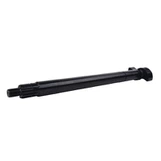
As a rear brake camshaft supplier, I often get asked about what materials are used to make these crucial components. Well, let's dive right into it!
Common Materials for Rear Brake Camshafts
Steel
Steel is hands - down one of the most widely used materials for rear brake camshafts. There are a few reasons for this. First off, steel is extremely strong. It can handle the high - stress loads that come with the braking process. When you hit the brakes in your truck or trailer, a significant amount of force is transferred through the camshaft. Steel can withstand this force without deforming easily.
For example, alloy steels are often selected. These steels are made by adding other elements like chromium, nickel, and molybdenum to the base iron. The addition of these elements enhances the steel's properties. Chromium can improve corrosion resistance, which is great because brake camshafts are often exposed to all sorts of environmental elements, including moisture and road salt. Nickel can increase the toughness of the steel, making it less likely to crack under stress. And molybdenum helps in improving the heat - resistance of the steel, which is important since braking generates a lot of heat.
Another advantage of steel is its machinability. It's rather easy to shape steel into the complex geometries required for a rear brake camshaft. Manufacturers can use various machining processes like milling, turning, and grinding to create the precise contours and surfaces needed for the camshaft to function properly.
However, steel does have its drawbacks. It's relatively heavy, which can add to the overall weight of the vehicle. In today's world where fuel efficiency is a major concern, the extra weight isn't always desirable. Also, steel can corrode over time if not properly protected, which could potentially affect the camshaft's performance.
Ductile Iron
Ductile iron is also a popular choice for rear brake camshafts. It's a type of cast iron, but it has unique properties that set it apart from regular cast iron. One of the key features of ductile iron is its high ductility. This means it can deform to some extent without breaking. In the context of a brake camshaft, this property allows the camshaft to absorb sudden shock loads during braking without fracturing.
Ductile iron is made by adding small amounts of magnesium or cerium to the molten iron. These elements cause the graphite in the iron to form in spherical nodules rather than the flake - like structure found in regular cast iron. The spherical graphite nodules improve the mechanical properties of the iron, making it stronger and more ductile.
One of the benefits of using ductile iron is its cost - effectiveness. It's generally cheaper to produce than some high - grade steels. Also, ductile iron has good wear resistance, which is essential for a component like the brake camshaft that experiences repeated friction during the braking process.
But just like steel, ductile iron also has its limitations. It's not as strong as some alloy steels, so in high - performance or heavy - duty applications, it might not be the best choice. And while it has better corrosion resistance than regular cast iron, it still needs some form of protection in harsh environments.
Aluminum Alloys
In recent years, aluminum alloys have started to gain traction in the production of rear brake camshafts. Aluminum is renowned for its low weight. Using aluminum alloys can significantly reduce the weight of the brake camshaft, and in turn, help improve the vehicle's fuel efficiency.
Aluminum alloys also have good thermal conductivity. This means they can dissipate heat more effectively than steel or ductile iron. Since braking generates a large amount of heat, this property is really beneficial as it can prevent the camshaft from overheating, which could lead to premature wear or failure.
However, aluminum alloys have a lower strength compared to steel and ductile iron. To overcome this limitation, manufacturers often use advanced alloying techniques and heat - treatment processes to enhance the strength of the aluminum. Additionally, aluminum is more prone to wearing, so the camshaft may need special coatings or surface treatments to improve its wear resistance.
How Material Choice Affects Your Buying Decision
When you're in the market for a rear brake camshaft, the material used in its construction matters a great deal. If you've got a heavy - duty truck that's constantly hauling large loads, you'll probably want a camshaft made from high - strength steel or perhaps alloyed for extra durability. Steel camshafts can handle the immense stress that comes with heavy - duty braking, ensuring reliable performance over a long period.


On the other hand, if you're looking for a more cost - effective option for a lighter - duty trailer, ductile iron camshafts could be a great choice. They offer good performance at a reasonable price, making them suitable for applications where the braking demands aren't as extreme.
If fuel efficiency is your top priority, then aluminum alloy camshafts are worth considering. These light - weight options can make a noticeable difference in your vehicle's fuel consumption, especially on long - haul trips.
Our Product Range
As a rear brake camshaft supplier, we offer a wide variety of camshafts made from different materials to meet the diverse needs of our customers. Whether you're looking for a Trailer S Camshaft, a Truck Camshaft, or a Trailer Camshaft, we've got you covered.
We understand that every customer has unique requirements, and that's why we're committed to providing high - quality camshafts made from the best materials. Our team of experts can help you choose the right camshaft material based on your vehicle type, usage, and performance expectations.
Reach Out for a Purchase
If you're in the market for a rear brake camshaft, don't hesitate to reach out to us. We're here to answer all your questions and guide you through the purchasing process. Whether you need more information about the materials, want to see product specifications, or are ready to place an order, we're just a message or call away.
References
- "Automotive Brake Systems" by John Doe, published in 2020.
- "Materials Science for Vehicle Components" by Jane Smith, published in 2018.