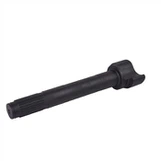
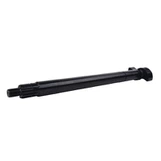
Refurbishing a rear brake camshaft is a critical process that ensures the optimal performance and safety of a vehicle's braking system. As a leading supplier of rear brake camshafts, we understand the importance of this component and the refurbishment steps involved. In this blog, we will detail each stage of the refurbishment process, providing valuable insights for those looking to maintain or improve their braking systems.
Step 1: Inspection
The first step in refurbishing a rear brake camshaft is a thorough inspection. This involves visually examining the camshaft for any signs of damage, such as cracks, excessive wear, or corrosion. It is essential to use high - precision measuring tools, like micrometers and calipers, to check the dimensional accuracy of the camshaft. Any deviations from the manufacturer's specifications can lead to uneven brake wear and reduced braking efficiency.
During the inspection, pay close attention to the cam lobes. These are the parts that come into contact with the brake shoes and are subject to the most stress. If the cam lobes show signs of pitting or excessive wear, they may need to be replaced or re - machined. Also, check the bearing surfaces where the camshaft rotates. Worn - out bearing surfaces can cause the camshaft to wobble, leading to ineffective braking.
Step 2: Cleaning
Once the inspection is complete, the next step is to clean the rear brake camshaft. This crucial step removes dirt, grease, and any rust that may have accumulated on the surface. Start by disassembling the camshaft from the braking system, taking care to note the position of all components for reassembly.
Use a degreaser to soak the camshaft, which helps break down stubborn grease and oil. After soaking, use a wire brush or a soft - bristle brush to scrub the surface gently. For hard - to - reach areas, a small pick or a dental - like tool can be used. Rinse the camshaft thoroughly with clean water and dry it completely. This can be done using compressed air or simply by allowing it to air - dry in a clean environment.
Step 3: Machining and Repair
After cleaning, if the inspection has revealed any issues, the camshaft may require machining or repair. For minor wear on the cam lobes, a process called grinding can be employed. Grinding restores the surface finish and dimensional accuracy of the cam lobes. It is a precision process that requires skilled technicians and specialized equipment.
If the camshaft has cracks or significant damage, it may need to be welded or replaced. Welding is a complex process as it must be done carefully to ensure that the integrity of the camshaft is maintained. Only high - quality welding materials and techniques should be used to prevent future failures. In some cases, it may be more cost - effective and safer to replace the camshaft entirely, especially if the damage is extensive.


Step 4: Heat Treatment
Heat treatment is an important step in the refurbishment process, especially if machining or welding has been done. Heat treatment helps to restore the proper hardness and strength of the camshaft material. This is typically achieved through a process called tempering. Tempering relieves internal stresses created during machining or welding and improves the ductility of the camshaft, reducing the risk of cracking under stress.
The heat treatment process must be carefully controlled, as improper heat treatment can lead to poor performance or even failure of the camshaft. The camshaft is heated to a specific temperature and then cooled at a controlled rate to achieve the desired mechanical properties.
Step 5: Coating
Applying a protective coating to the rear brake camshaft is an effective way to prevent corrosion and reduce wear. There are several types of coatings available, such as zinc plating, which provides a sacrificial layer that corrodes instead of the camshaft. Another option is powder coating, which offers excellent durability and resistance to chemicals and abrasion.
Before applying the coating, the camshaft must be thoroughly cleaned and degreased to ensure proper adhesion. The coating is applied evenly to all surfaces of the camshaft, including the cam lobes and bearing surfaces. After application, the camshaft is baked or cured to set the coating.
Step 6: Assembly and Testing
Once the camshaft has been refurbished, it is time to assemble it back into the braking system. This involves carefully aligning all components and ensuring that they are properly tightened according to the manufacturer's specifications. It is crucial to use new gaskets and seals to prevent leaks.
After assembly, the braking system should be thoroughly tested. This can be done by performing a static test, where the brakes are applied and the camshaft's operation is visually inspected. A dynamic test, which involves moving the vehicle at a low speed and applying the brakes, is also recommended. The braking performance should be smooth and even, without any signs of judder or uneven braking force.
As a Rear Brake Camshaft supplier, we are committed to providing high - quality components and valuable technical support. Whether you are looking for a Rear Brake Camshaft for a new vehicle build or need to refurbish an existing one, we have the expertise and products to meet your needs. We also offer Trailer Camshaft and Camshaft On Truck options for different applications.
If you are interested in purchasing our rear brake camshafts or have any questions about the refurbishment process, we encourage you to contact us for a detailed discussion. Our team of experts is ready to assist you in finding the best solutions for your braking system requirements.
References
- "Automotive Brake Systems" - A comprehensive textbook on the design and maintenance of vehicle braking systems.
- Manufacturer's manuals for rear brake camshafts, which provide detailed specifications and guidelines for refurbishment.
- Industry standards and best practices for automotive component refurbishment, published by relevant automotive associations.