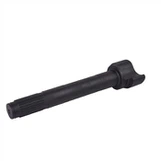
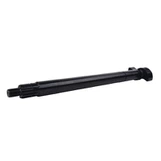
As a seasoned supplier of Trailer Axle Camshafts, I've witnessed firsthand the challenges that high - speed driving poses to these crucial components. The trailer axle camshaft is a linchpin in the braking system of trailers, and excessive stress during high - speed driving can lead to premature wear, reduced braking efficiency, and even safety hazards. In this blog, I'll share some effective strategies to reduce the stress on the trailer axle camshaft during high - speed driving.
Understanding the Stressors on Trailer Axle Camshafts during High - Speed Driving
Before delving into the solutions, it's essential to understand what causes stress on the trailer axle camshaft at high speeds. One of the primary factors is the increased kinetic energy of the trailer. As the speed rises, the momentum of the trailer grows exponentially, and when the brakes are applied, the camshaft has to work harder to convert this kinetic energy into mechanical force to slow down or stop the vehicle.
Another stressor is the vibration and shock that occur during high - speed driving. The uneven road surface, potholes, and sudden maneuvers can generate significant vibrations that are transferred to the camshaft. These vibrations can cause micro - fractures and misalignments over time, further weakening the camshaft.
Regular Maintenance and Inspection
One of the most fundamental ways to reduce stress on the trailer axle camshaft is through regular maintenance and inspection. This includes checking the camshaft for signs of wear, such as excessive clearance, scoring, or deformation. Lubrication is also crucial. A well - lubricated camshaft experiences less friction, which in turn reduces stress. Use high - quality lubricants that are specifically designed for the operating conditions of the camshaft.
Inspect the braking system as a whole. Worn brake pads or shoes can cause the camshaft to work harder to achieve the same braking effect. Replace any worn components promptly to ensure that the camshaft doesn't have to bear unnecessary stress. Additionally, check the alignment of the wheels and axles. Misaligned wheels can cause uneven braking forces, which put extra stress on the camshaft.
Upgrade to High - Quality Camshafts
Investing in high - quality camshafts can significantly reduce stress during high - speed driving. High - quality camshafts are made from superior materials and are precision - engineered to withstand the rigors of high - speed operation. For example, our S Camshaft and Semi Trailer Camshaft are crafted with high - strength alloys and advanced heat - treatment processes. These camshafts have better fatigue resistance and can handle the increased forces generated during high - speed braking more effectively.
Our Trailer S Camshaft is also designed with optimized profiles to ensure smooth and efficient operation. The precise shape of the cam lobe helps to distribute the braking force evenly, reducing the stress concentration on specific areas of the camshaft.
Optimize Braking System Design
The design of the braking system plays a vital role in reducing stress on the camshaft. Consider upgrading to a more advanced braking system, such as an anti - lock braking system (ABS). ABS helps to prevent wheel lock - up during high - speed braking, which reduces the sudden and excessive forces on the camshaft.
Properly sizing the braking components is also essential. The brake chambers, brake pads, and rotors or drums should be sized according to the weight and intended use of the trailer. An undersized braking system will force the camshaft to work harder to achieve the required braking performance, leading to increased stress.
Driving Techniques
Drivers can also play a significant role in reducing stress on the trailer axle camshaft. Encourage drivers to practice smooth driving techniques. Avoid sudden acceleration and braking, as these actions can generate large forces on the camshaft. Instead, use gradual acceleration and braking to reduce the stress on the entire braking system.
When approaching a stop, start braking early and gently. This allows the camshaft to work at a more moderate pace, reducing the peak stress levels. Additionally, drivers should be aware of the road conditions and adjust their driving speed accordingly. High - speed driving on rough or uneven roads can increase the stress on the camshaft due to the additional vibrations and shocks.
Load Management
Proper load management is crucial for reducing stress on the trailer axle camshaft. Overloading the trailer can put excessive stress on the entire braking system, including the camshaft. Ensure that the trailer is loaded within its recommended weight capacity. Distribute the load evenly across the axles to prevent uneven braking forces.
Unevenly distributed loads can cause some wheels to bear more weight than others, resulting in uneven braking and increased stress on the camshaft. Use load - distribution devices, such as load - equalizing hitches, to help distribute the load more evenly.
Temperature Control
High - speed driving can generate a significant amount of heat in the braking system, which can affect the performance and durability of the camshaft. Excessive heat can cause the camshaft to expand, leading to increased friction and wear. Implement temperature - control measures, such as using brake coolers or heat - resistant materials.
Brake coolers can help to dissipate the heat generated during braking, keeping the temperature of the camshaft within a safe operating range. Heat - resistant materials can also help to prevent the camshaft from being damaged by high temperatures.


Training and Education
Provide training and education to drivers and maintenance personnel about the importance of reducing stress on the trailer axle camshaft. Drivers should understand how their driving habits can affect the camshaft and be trained to adopt safe and stress - reducing driving techniques.
Maintenance personnel should be trained to perform proper maintenance and inspection procedures. They should be able to identify early signs of stress and wear on the camshaft and take appropriate action to prevent further damage.
Conclusion
Reducing the stress on the trailer axle camshaft during high - speed driving is a multi - faceted challenge that requires a combination of proper maintenance, high - quality components, optimized system design, and good driving practices. By implementing the strategies outlined in this blog, you can extend the lifespan of your trailer axle camshafts, improve braking performance, and enhance the safety of your trailers.
If you're interested in learning more about our high - quality Trailer Axle Camshafts or have any questions regarding stress reduction strategies, we invite you to reach out to us for a procurement discussion. Our team of experts is ready to assist you in finding the best solutions for your trailer braking needs.
References
- Automotive Braking Systems: Principles, Diagnosis, and Service by Mark D. Hupp.
- Handbook of Automotive Engineering by G. M. Newell.
- Trailer Design and Manufacturing Standards published by the National Highway Traffic Safety Administration.