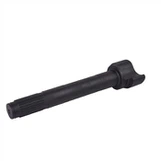
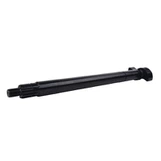
Hey there! As a front brake camshaft supplier, I've seen firsthand the importance of ensuring compatibility when upgrading this crucial component in a braking system. In this blog, I'll share some tips and insights on how to make sure your upgraded front brake camshaft plays nice with other brake components.
Understanding the Basics
First things first, let's talk about what a front brake camshaft does. It's a key part of the braking system that converts the linear motion of the brake actuator into rotational motion, which then applies the brakes. When you're upgrading a front brake camshaft, you're essentially changing the way your brakes operate, so it's super important to ensure it works well with the other parts of the system.
Compatibility Factors
1. Brake Actuator
The brake actuator is what pushes the brake camshaft into action. When upgrading the camshaft, you need to make sure it can handle the force and stroke of the existing brake actuator. If the camshaft is too large or too small, it won't work properly with the actuator, leading to poor braking performance. For example, if the camshaft requires more force to turn than the actuator can provide, the brakes won't engage fully.
To check compatibility, you can refer to the specifications of both the camshaft and the actuator. Look at things like the maximum torque the actuator can produce and the torque required to turn the camshaft. If the numbers don't match up, you might need to upgrade the actuator as well.
2. Brake Shoes and Linings
The brake shoes and linings are what actually come into contact with the brake drum to slow down the vehicle. When you upgrade the camshaft, it can change the way the brake shoes are applied to the drum. A different camshaft might apply more or less pressure on the shoes, which can affect the wear rate and braking performance of the linings.
You need to make sure that the new camshaft is designed to work with the type and size of brake shoes and linings you have. Some camshafts are specifically designed for certain brake shoe configurations, so it's important to choose one that's compatible. For instance, if you have heavy-duty brake shoes, you'll need a camshaft that can provide enough force to fully engage them.
3. Brake Drums
The brake drums are the circular components that the brake shoes press against. The size and design of the brake drums can also affect the compatibility of the camshaft. A camshaft that's designed for a smaller brake drum might not work properly with a larger one, and vice versa.
When upgrading the camshaft, check the diameter and width of the brake drums. Make sure the camshaft is designed to work within the dimensions of your drums. If the camshaft is too large for the drums, it might not fit properly, and if it's too small, it might not provide enough braking force.
Checking Compatibility
1. Consult the Manufacturer
One of the easiest ways to ensure compatibility is to consult the manufacturer of the camshaft. They should have detailed information about which brake components their camshafts are compatible with. You can reach out to them directly and provide them with the specifications of your existing brake system. They can then recommend the right camshaft for your needs.
Most manufacturers also have online resources, such as compatibility charts, that you can use to check if a particular camshaft will work with your brake components. These charts usually list the make and model of the vehicle, as well as the specifications of the brake system, and indicate which camshafts are compatible.
2. Measure and Compare
Another way to check compatibility is to measure the key dimensions of your existing brake components and compare them to the specifications of the new camshaft. You can use a caliper to measure the diameter of the brake drums, the width of the brake shoes, and the stroke of the brake actuator. Then, compare these measurements to the requirements of the camshaft.
If you're not sure how to measure these dimensions or how to interpret the specifications, you can always consult a professional mechanic. They have the experience and tools to accurately measure the components and determine if the camshaft is compatible.
Installation and Testing
Once you've chosen a compatible camshaft, it's important to install it correctly. Improper installation can lead to compatibility issues, even if the camshaft is technically the right one for your system. Make sure to follow the manufacturer's installation instructions carefully.
After installation, it's crucial to test the brakes thoroughly. Start by performing a visual inspection to make sure all the components are properly installed and there are no signs of damage or misalignment. Then, take the vehicle for a test drive in a safe area. Pay attention to how the brakes feel when you apply them. If you notice any issues, such as a spongy pedal or uneven braking, it could indicate a compatibility problem.
Real - World Examples
Let's take a look at some real - world scenarios. Say you have a semi - trailer. You're thinking about upgrading the front brake camshaft. You can check out the Semi Trailer S CAM on our website for options. But before you make the upgrade, you need to consider the compatibility with the other brake components. The semi - trailer's brake actuator, brake shoes, and drums all need to be taken into account.
Another example is for trucks. If you're looking to upgrade the camshaft on your truck, you can explore the Camshaft On Truck section. Trucks often have different braking requirements compared to other vehicles, so it's even more important to ensure compatibility.
For trailers in general, the Trailer Camshaft options are available. But again, you need to make sure that the new camshaft will work well with the existing brake system of the trailer.
Conclusion
Ensuring the compatibility of an upgraded front brake camshaft with other brake components is crucial for the safety and performance of your vehicle. By understanding the key factors of compatibility, checking the specifications, and following proper installation and testing procedures, you can make sure that your braking system works as it should.
If you're in the market for a front brake camshaft and need help with compatibility or have any other questions, don't hesitate to reach out. We're here to assist you in finding the right camshaft for your needs and ensuring a smooth upgrade process.


References
- Brake System Handbook, various editions
- Manufacturer's specifications for brake components