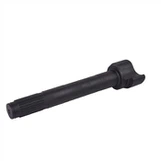
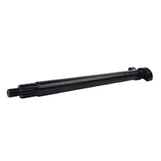
Diagnosing problems with a semi-trailer S cam is a crucial skill for anyone involved in the maintenance and operation of commercial vehicles. As a semi-trailer S cam supplier, I've seen firsthand the impact that a malfunctioning S cam can have on the performance and safety of a vehicle. In this blog post, I'll share some tips on how to diagnose problems with a semi-trailer S cam, drawing on my experience in the industry.
Understanding the Function of the S Cam
Before we dive into the diagnostic process, it's important to understand the role of the S cam in a semi-trailer's braking system. The S cam is a key component of the drum brake system, which is commonly used in heavy-duty vehicles. When the brake pedal is pressed, air pressure is applied to the brake chamber, which in turn pushes a pushrod. The pushrod then rotates the S cam, which forces the brake shoes against the inside of the brake drum, creating friction and slowing down the vehicle.

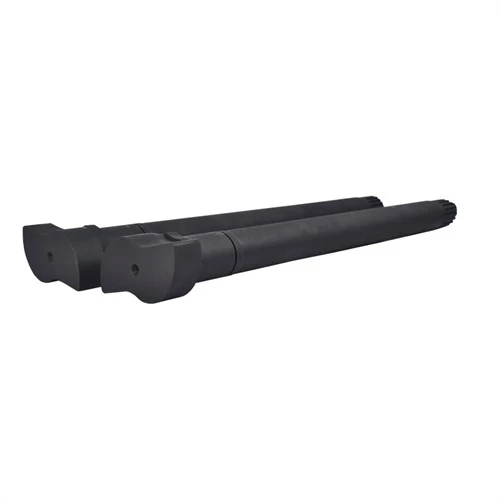
Visual Inspection
The first step in diagnosing problems with a semi-trailer S cam is to conduct a visual inspection. Start by removing the brake drum to gain access to the S cam and other brake components. Look for any signs of wear, damage, or contamination. Here are some things to look out for:
- Worn or Damaged Cam Lobes: The cam lobes are the parts of the S cam that come into contact with the brake shoes. Over time, these lobes can wear down, which can lead to reduced braking performance. Look for signs of excessive wear, such as flat spots or grooves on the cam lobes. If the cam lobes are worn beyond the manufacturer's specifications, the S cam should be replaced.
- Corrosion or Rust: Corrosion and rust can also affect the performance of the S cam. Check for signs of rust on the camshaft and other brake components. If you notice any rust, it's important to clean and lubricate the affected areas to prevent further damage.
- Loose or Damaged Mounting Bolts: The S cam is typically mounted to the axle using mounting bolts. Check these bolts to make sure they are tight and in good condition. Loose or damaged mounting bolts can cause the S cam to move or vibrate, which can lead to uneven braking and premature wear.
Checking for Proper Lubrication
Proper lubrication is essential for the smooth operation of the S cam. The camshaft and other moving parts should be lubricated regularly to reduce friction and wear. Here's how to check for proper lubrication:
- Inspect the Lubrication Fittings: Most S cams are equipped with lubrication fittings, which allow you to add grease to the camshaft and other moving parts. Check these fittings to make sure they are clean and free of debris. If the fittings are clogged, you may need to clean or replace them.
- Check the Grease Level: Use a grease gun to add grease to the lubrication fittings until you see fresh grease coming out of the other end. This indicates that the camshaft and other moving parts are properly lubricated. If you don't see any grease coming out, it may be a sign that the lubrication passages are blocked or that the S cam needs to be replaced.
Testing the Braking System
Once you've completed the visual inspection and checked for proper lubrication, it's time to test the braking system. Here are some steps to follow:
- Check the Brake Pedal: Start by checking the brake pedal for proper feel and travel. The brake pedal should feel firm and responsive when pressed. If the brake pedal feels spongy or goes all the way to the floor, it may be a sign of a problem with the braking system, such as a leak in the air lines or a malfunctioning brake chamber.
- Test the Brakes on a Flat Surface: Take the vehicle for a test drive on a flat, dry surface. Apply the brakes gently at first to make sure they are working properly. Pay attention to any unusual noises, vibrations, or pulling to one side. If you notice any of these symptoms, it may be a sign of a problem with the S cam or other brake components.
- Perform a Brake Balance Test: A brake balance test can help you determine if the brakes on all four wheels are working evenly. To perform a brake balance test, drive the vehicle at a moderate speed and apply the brakes firmly. The vehicle should come to a stop in a straight line without pulling to one side. If the vehicle pulls to one side, it may be a sign of a problem with the S cam or other brake components on that side.
Common Problems and Solutions
Here are some common problems that you may encounter when diagnosing problems with a semi-trailer S cam, along with some solutions:
- Uneven Braking: Uneven braking can be caused by a variety of factors, such as worn or damaged cam lobes, uneven brake shoe wear, or a problem with the brake chamber. To fix this problem, you may need to replace the S cam, brake shoes, or brake chamber.
- Excessive Brake Wear: Excessive brake wear can be caused by a number of factors, such as improper lubrication, worn or damaged cam lobes, or a problem with the brake adjuster. To fix this problem, you may need to clean and lubricate the S cam, replace the cam lobes, or adjust the brake shoes.
- Brake Noise: Brake noise can be caused by a variety of factors, such as worn or damaged brake shoes, a problem with the S cam, or a loose or damaged brake component. To fix this problem, you may need to replace the brake shoes, S cam, or other brake components.
Conclusion
Diagnosing problems with a semi-trailer S cam requires a combination of visual inspection, lubrication checks, and braking system testing. By following the steps outlined in this blog post, you can identify and fix common problems with the S cam and other brake components. If you're unsure about how to diagnose or fix a problem with the S cam, it's always a good idea to consult a professional mechanic or Truck Brake Camshaft technician.
As a S Camshaft and Semi Trailer Camshaft supplier, we're committed to providing high-quality products and excellent customer service. If you're in the market for a new S cam or other brake components, please don't hesitate to contact us. We'll be happy to help you find the right products for your needs and provide you with a competitive quote.
References
- "Commercial Vehicle Brake Systems: Diagnosis, Service, and Repair" by James D. Halderman
- "Heavy Duty Truck Systems" by Frank D. Grodinsky