Adjusting a trailer camshaft correctly is crucial for the optimal performance and safety of your trailer's braking system. As a seasoned Trailer Camshaft supplier, I've witnessed firsthand the significant impact that proper camshaft adjustment can have on a trailer's overall functionality. In this blog, I'll share in - depth knowledge on how to adjust a trailer camshaft correctly, along with some key insights that will help you make the most of your trailer's braking components.
Understanding the Trailer Camshaft
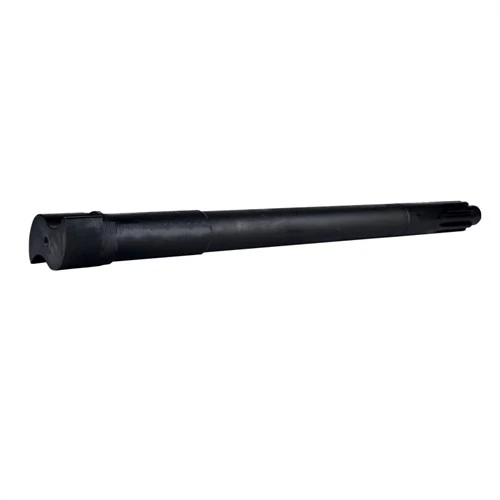
Before diving into the adjustment process, it's essential to understand what a trailer camshaft is and how it functions. A trailer camshaft is a vital part of the trailer's braking system. It converts the rotational motion from the brake actuator into linear motion, which then applies force to the brake shoes, causing them to press against the brake drums and slow down or stop the trailer.
There are different types of camshafts used in trailers, such as the Truck Camshaft, S CAM, and Semi Trailer Camshaft. Each type is designed to meet specific requirements based on the trailer's size, weight, and intended use.
Tools Required for Camshaft Adjustment
To adjust a trailer camshaft correctly, you'll need a few essential tools. These include:
- A socket set: This will be used to remove and reinstall the necessary bolts and nuts on the brake assembly.
- A brake adjustment tool: This specialized tool is designed to adjust the brake shoes and camshaft precisely.
- A torque wrench: To ensure that all bolts are tightened to the manufacturer's recommended torque specifications.
- A feeler gauge: This is used to measure the clearance between the brake shoes and the brake drums.
- Safety goggles and gloves: To protect yourself from any debris or sharp edges during the adjustment process.
Step - by - Step Guide to Adjusting a Trailer Camshaft
Step 1: Preparation
First, park your trailer on a level surface and engage the parking brake. Chock the wheels to prevent the trailer from rolling. Make sure you have all the necessary tools within reach. It's also a good idea to refer to your trailer's owner's manual for any specific instructions or torque specifications.
Step 2: Access the Brake Assembly
Remove the wheel cover and the wheel lug nuts using the socket set. Carefully remove the wheel to expose the brake assembly. You'll see the camshaft, brake shoes, and brake drums clearly.
Step 3: Inspect the Brake Components
Before making any adjustments, inspect the brake components for wear and damage. Check the brake shoes for excessive wear, cracks, or uneven surfaces. Examine the brake drums for scoring, cracks, or excessive wear. If any components are damaged, they should be replaced before proceeding with the camshaft adjustment.
Step 4: Loosen the Brake Adjuster
Locate the brake adjuster on the brake assembly. Use the brake adjustment tool to loosen the adjuster. This will create some clearance between the brake shoes and the brake drums, making it easier to access and adjust the camshaft.
Step 5: Adjust the Camshaft
The camshaft adjustment is typically done by turning the camshaft to a specific position. This can be a bit tricky, as the correct position depends on the type of camshaft and the trailer's braking system. In general, you want to turn the camshaft until the brake shoes just start to make contact with the brake drums.
Use the feeler gauge to measure the clearance between the brake shoes and the brake drums. The ideal clearance can vary depending on the trailer's make and model, but a common range is between 0.010 and 0.020 inches. Adjust the camshaft as needed to achieve the correct clearance.
Step 6: Tighten the Brake Adjuster
Once the camshaft is adjusted correctly, use the brake adjustment tool to tighten the brake adjuster. This will ensure that the brake shoes maintain the proper contact with the brake drums.
Step 7: Re - check the Clearance
After tightening the brake adjuster, re - check the clearance between the brake shoes and the brake drums using the feeler gauge. Make any final adjustments if necessary to ensure that the clearance is within the recommended range.
Step 8: Reassemble the Brake Assembly
Once the camshaft is adjusted and the clearance is correct, carefully reassemble the brake assembly. Install the wheel, tighten the wheel lug nuts to the manufacturer's recommended torque using the torque wrench, and replace the wheel cover.
Step 9: Test the Brakes
After reassembling the brake assembly on all wheels, test the brakes. Slowly drive the trailer forward at a low speed and apply the brakes gently. Make sure the brakes engage smoothly and evenly. If you notice any pulling to one side, unusual noises, or a spongy brake pedal, further adjustments or inspections may be required.
Common Mistakes to Avoid
- Over - tightening the brake adjuster: This can cause the brake shoes to wear out quickly and may lead to overheating of the brake drums.
- Incorrect camshaft positioning: If the camshaft is not positioned correctly, the brakes may not engage properly, resulting in reduced braking performance.
- Not following the manufacturer's specifications: Always refer to your trailer's owner's manual for the correct torque specifications, adjustment procedures, and safety guidelines.
Importance of Professional Help
While adjusting a trailer camshaft can be done by a DIY enthusiast, it's important to note that improper adjustment can have serious consequences for your trailer's safety. If you're unsure about any aspect of the camshaft adjustment process, it's recommended to seek the help of a professional mechanic. A professional has the experience and expertise to ensure that the camshaft is adjusted correctly and that all other brake components are in good working condition.

Why Choose Our Trailer Camshafts
As a leading Trailer Camshaft supplier, we take pride in offering high - quality camshafts that are designed to meet the most demanding requirements. Our camshafts are made from premium materials, ensuring durability and long - lasting performance. We also provide detailed technical support to help you with the installation and adjustment process.
Whether you need a Truck Camshaft, S CAM, or Semi Trailer Camshaft, we have the right product for you. Our team of experts is always ready to assist you in choosing the best camshaft for your trailer and answering any questions you may have.
Contact Us for Your Camshaft Needs
If you're interested in purchasing our Trailer Camshafts or need further information on camshaft adjustment, we encourage you to get in touch with us. Our dedicated sales team is eager to discuss your requirements and provide you with a competitive quote. We look forward to helping you keep your trailer's braking system in top - notch condition.
References
- Trailer Owner's Manuals
- Automotive Braking System Textbooks
- Industry Standards and Guidelines for Trailer Braking Systems