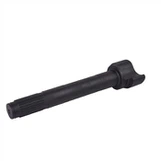
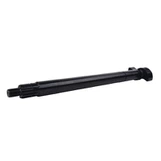
Hey there, truck owners and fleet managers! As a supplier of truck brake camshafts, I get asked a lot about how often these crucial components should be inspected. It's a super important question because the brake camshaft plays a vital role in your truck's braking system. If it ain't working right, well, that spells trouble on the road.
First off, let's talk a bit about what a truck brake camshaft does. In simple terms, it's a key part of the braking mechanism. When you hit the brakes, the camshaft rotates, pushing the brake shoes against the brake drum, which in turn slows down or stops the truck. It's like the muscle behind the braking action.
Now, back to the main question: how often should you inspect it? Well, there's no one - size - fits - all answer. A lot depends on how you use your truck.
For Heavy - Duty Trucks in Intense Use
If you're running a heavy - duty truck that's constantly on the road, hauling big loads over long distances, you should be inspecting the brake camshaft more frequently. I'd say a thorough inspection every 10,000 to 15,000 miles is a good rule of thumb. These trucks are under a lot of stress. The constant braking and heavy loads put extra pressure on the camshaft. Over time, this can lead to wear and tear, like the camshaft getting worn down or the bearings starting to fail.
For example, if you're in the business of long - haul freight, where you're on the highway for hours on end, your brakes are working hard to keep that big rig under control. And the camshaft is right in the middle of all that action. A regular inspection can catch any problems early on, before they turn into major issues that could leave you stranded on the side of the road.
Medium - Duty Trucks with Moderate Use
If your truck is a medium - duty one and it's used for more local deliveries or in less demanding conditions, you can stretch out the inspection intervals a bit. Inspecting the brake camshaft every 15,000 to 20,000 miles should be sufficient. These trucks don't have the same level of stress as heavy - duty ones. They're not constantly hauling massive loads or traveling long distances, so the wear on the camshaft is less severe.
Let's say you're using a medium - duty truck to make local grocery deliveries. You're making a lot of stops and starts, but the loads are usually not as heavy as those in long - haul freight. Still, it's important to keep an eye on the camshaft because even with moderate use, problems can develop over time.
Light - Duty Trucks
Light - duty trucks, like those used for personal or light commercial purposes, can go even longer between inspections. You can probably get away with inspecting the brake camshaft every 20,000 to 30,000 miles. These trucks are generally used for lighter tasks, like running errands or small - scale deliveries. The braking demands are much lower, so the camshaft doesn't take as much of a beating.
But don't think you can just forget about it. Even in light - duty trucks, the camshaft is an essential part of the braking system, and a failure can be dangerous.
Signs That an Inspection Is Needed Sooner
Regardless of your truck type and mileage, there are some signs that you need to inspect the brake camshaft right away. If you notice any strange noises when you brake, like a grinding or squealing sound, that's a red flag. It could mean that the camshaft is worn or that there's a problem with the bearings.
Another sign is if your brakes feel spongy or if it takes longer than usual for your truck to stop. This could indicate that the camshaft isn't operating correctly, and the brake shoes aren't making proper contact with the brake drum.
Also, if you see any visible damage to the camshaft, such as cracks or excessive wear, you need to have it inspected immediately. You can check for this during a visual inspection under the truck.
The Inspection Process
When you're inspecting the brake camshaft, it's not just a quick look - see. You need to do a thorough job. First, you'll want to clean the area around the camshaft to get a clear view. Then, check for any signs of wear on the cam surface. A worn cam can cause uneven braking and reduced stopping power.
Next, inspect the bearings. They should spin smoothly without any play or roughness. If you feel any grinding or if the bearing is loose, it needs to be replaced.
You also need to check the camshaft's alignment. A misaligned camshaft can cause the brake shoes to wear unevenly and can lead to premature failure of the braking system.

Why Quality Camshafts Matter
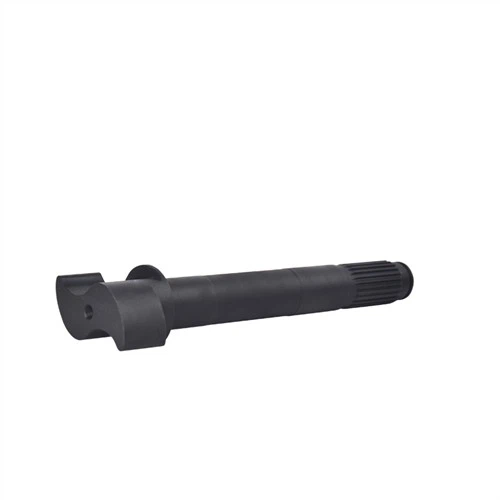
As a supplier, I can't stress enough the importance of using high - quality truck brake camshafts. Cheaper, low - quality camshafts may seem like a good deal at first, but they're likely to wear out faster and cause more problems. A good quality camshaft, like the ones we supply, is made from high - grade materials and is precision - engineered to ensure optimal performance and durability.
We offer a range of camshafts, including S CAM, Trailer Axle Brake Camshaft, and Camshaft On Truck. These camshafts are designed to meet the highest industry standards and are built to last, even under the toughest conditions.
Contact Us for Your Camshaft Needs
If you're in the market for a new truck brake camshaft or if you have any questions about camshaft inspection and maintenance, don't hesitate to reach out. We're here to help you keep your trucks safe and running smoothly. Whether you're a small business owner with a single truck or a large fleet manager, we have the products and expertise to meet your needs.
In conclusion, regular inspection of your truck brake camshaft is crucial for the safety and performance of your vehicle. By following the guidelines based on your truck's usage and keeping an eye out for any warning signs, you can prevent costly breakdowns and ensure that your brakes are always in top condition.
References
- Brake System Handbook, Industry Standard Publications
- Truck Maintenance Manuals from Major Truck Manufacturers