As a supplier of 153 Brake Camshafts, I've spent a lot of time thinking about how the material of these camshafts can have a huge impact on their performance. Let's dive into this topic and see what's up.
First off, let's understand what a 153 Brake Camshaft does. It's a crucial part in a vehicle's braking system. When you hit the brakes, the camshaft rotates, which in turn pushes the brake shoes against the brake drum. This friction is what stops your vehicle. So, it's pretty important that the camshaft can handle this job well, and the material it's made from plays a big role in that.
One common material used for 153 Brake Camshafts is forged steel. Forged steel is tough as nails. It's created through a process of heating and hammering the steel into shape. This process aligns the grain structure of the steel, making it incredibly strong and durable. When a camshaft is made from forged steel, it can withstand the high pressures and stresses that come with frequent braking. It won't crack or wear out easily, which means a longer lifespan for the camshaft. And that's a huge plus for vehicle owners. They don't want to be constantly replacing parts of their braking system.
However, forged steel isn't the only option. There's also cast iron. Cast iron camshafts are more affordable to produce. The casting process involves pouring molten iron into a mold. It's a relatively simple and cost - effective way to make camshafts. Cast iron has good wear resistance, which is important because the camshaft is constantly in contact with other parts, like the brake shoes. But it's not as strong as forged steel. Cast iron can be more brittle, and under extreme conditions, such as heavy - duty braking in a large truck, it might crack or break. So, it's often used in less demanding applications, like smaller vehicles or light - duty trucks.
Then there's ductile iron. Ductile iron is a type of cast iron, but it has properties that make it a bit different. It contains small amounts of magnesium, which gives it a more ductile (flexible) structure compared to regular cast iron. This means it can handle some degree of bending without breaking. Ductile iron camshafts offer a good balance between strength and cost. They're stronger than regular cast iron and can be used in medium - duty applications. Vehicles that do a lot of stop - and - go driving, like delivery trucks, can benefit from ductile iron camshafts.
The material also affects how well the camshaft can tolerate heat. Braking generates a ton of heat. When you're coming down a steep hill or have to brake suddenly, that heat can quickly build up. Forged steel camshafts generally have better heat resistance. The steel can withstand high temperatures without losing its strength or shape. On the other hand, cast iron and ductile iron can be more sensitive to heat. If they get too hot, they might warp, which can lead to uneven braking and a decrease in the overall performance of the braking system.
Another aspect is the surface finish of the camshaft, which is related to the material. Forged steel can be machined to have a very smooth surface. A smooth surface reduces friction between the camshaft and the brake shoes. Less friction means less wear on both the camshaft and the brake shoes, and it also makes the braking action more efficient. Cast iron and ductile iron can also have a smooth surface, but it might be a bit more challenging to achieve the same level of smoothness as with forged steel.
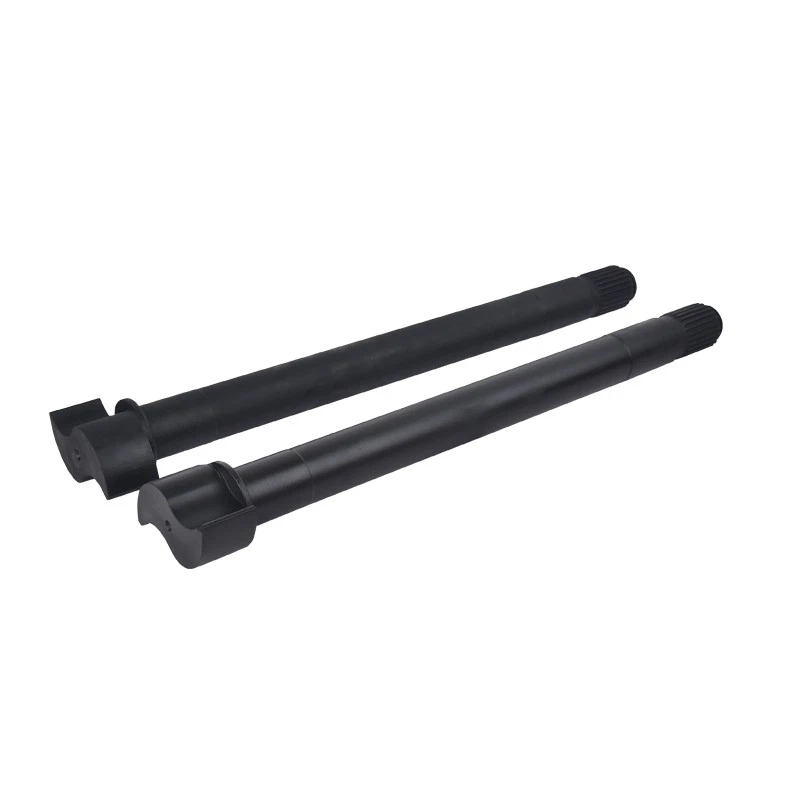
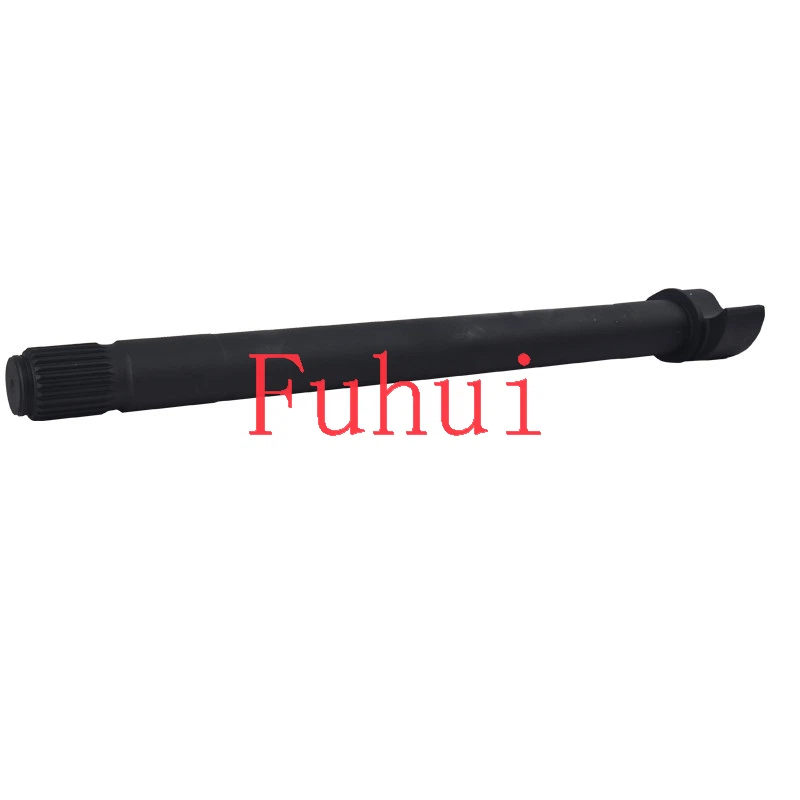
Now, let's talk about how these different materials can impact your choice as a customer. If you're running a fleet of heavy - duty trucks that are constantly on the road and doing a lot of hard braking, a forged steel 153 Brake Camshaft is probably your best bet. It'll give you the reliability and long - term performance you need. But if you're a budget - conscious vehicle owner or have a smaller vehicle with less demanding braking requirements, a cast iron or ductile iron camshaft could save you some money without sacrificing too much in terms of performance.
At our company, we understand that different customers have different needs. That's why we offer a wide range of 153 Brake Camshafts made from various materials. If you're interested in learning more about our products, check out our R607036 Brake Camshaft Catalog. It has all the details about our products, including the materials used and their specifications.
We also have Right Truck S Camshaft in our inventory. This camshaft is designed for specific applications and can provide excellent performance. And if you're looking for a trailer brake camshaft, we've got you covered. Our trailer brake camshafts are available in different materials to suit your needs.
If you're in the market for a 153 Brake Camshaft, whether you need forged steel for heavy - duty use or cast iron for a more budget - friendly option, we're here to help. We can work with you to find the perfect camshaft for your vehicle. Just reach out to us, and we'll start a conversation about your requirements.
In conclusion, the material of a 153 Brake Camshaft has a significant impact on its performance. From strength and durability to heat resistance and surface finish, each material has its own pros and cons. By understanding these differences, you can make an informed decision when it comes to purchasing a camshaft for your vehicle. So, don't hesitate to contact us if you have any questions or are ready to make a purchase. We're here to make sure you get the best product for your money.
References
- Automotive Braking System Handbook
- Materials Science for Automotive Components