As a seasoned supplier of heavy truck camshafts, I've witnessed firsthand the significant impact that camshaft failures can have on the performance and safety of heavy trucks. Camshafts are crucial components in the engine and braking systems of heavy trucks, and any failure can lead to costly repairs, downtime, and even safety hazards. In this blog, I'll share some practical tips on how to prevent heavy truck camshaft failures based on my years of experience in the industry.
Understanding the Role of Heavy Truck Camshafts
Before delving into prevention strategies, it's essential to understand the role of camshafts in heavy trucks. In the engine, the camshaft controls the opening and closing of the intake and exhaust valves, which is vital for the combustion process. A well - functioning camshaft ensures efficient fuel combustion, power generation, and overall engine performance.
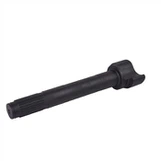
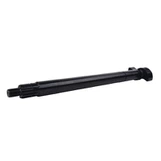
In the braking system, camshafts such as Trailer S Camshaft, Rear Axle Brake Camshaft, and Semi Trailer Camshaft play a critical role in applying and releasing the brakes. They convert the rotational motion from the brake actuator into linear motion, which presses the brake shoes against the brake drums, thereby slowing down or stopping the vehicle.
Regular Maintenance and Inspection
One of the most effective ways to prevent camshaft failures is through regular maintenance and inspection.
Engine Camshafts
- Oil Changes: Engine oil lubricates the camshaft and reduces friction between its components. Over time, oil can become contaminated with dirt, debris, and metal particles, which can cause excessive wear on the camshaft. It's crucial to follow the manufacturer's recommended oil change intervals. Using high - quality oil with the right viscosity is also essential. For example, if you're operating in a cold climate, a lower - viscosity oil may be required to ensure proper lubrication during startup.
- Valve Adjustment: Incorrect valve clearance can put additional stress on the camshaft. Regularly check and adjust the valve clearance according to the manufacturer's specifications. This will help ensure that the camshaft operates smoothly and reduces the risk of premature wear.
- Visual Inspection: During routine maintenance, visually inspect the camshaft for signs of wear, such as pitting, scoring, or excessive clearance. If any abnormalities are detected, it may be necessary to replace the camshaft or its associated components.
Braking System Camshafts
- Brake Inspection: Regularly inspect the braking system, including the camshafts, for signs of wear and damage. Check the brake shoes, drums, and camshafts for excessive wear, cracks, or other defects. Replace any worn or damaged components promptly to prevent further damage to the camshaft and ensure the proper functioning of the braking system.
- Lubrication: Proper lubrication is essential for the smooth operation of the braking system camshafts. Use a high - quality brake lubricant to lubricate the camshaft bushings and other moving parts. This will reduce friction, prevent corrosion, and extend the lifespan of the camshaft.
Quality Parts and Installation
Using high - quality camshafts and ensuring proper installation are crucial for preventing failures.
Quality Parts
- Source from Reputable Suppliers: As a heavy truck camshaft supplier, I understand the importance of providing high - quality products. When purchasing camshafts, choose a supplier with a good reputation for quality and reliability. Look for camshafts that are made from high - grade materials and manufactured to strict quality standards.
- OEM vs. Aftermarket: Original Equipment Manufacturer (OEM) camshafts are designed to meet the exact specifications of the vehicle. They are generally more expensive but offer a high level of quality and compatibility. Aftermarket camshafts can be a more cost - effective option, but it's important to choose a reputable brand that offers products that meet or exceed OEM standards.
Proper Installation
- Follow Manufacturer's Instructions: When installing a camshaft, it's essential to follow the manufacturer's instructions carefully. This includes proper alignment, torque specifications, and the use of the correct tools. Incorrect installation can lead to premature wear, misalignment, and ultimately, camshaft failure.
- Professional Installation: If you're not experienced in camshaft installation, it's recommended to have the work done by a professional mechanic. A skilled mechanic has the knowledge and tools necessary to ensure that the camshaft is installed correctly and that the entire system is functioning properly.
Operating Conditions and Driver Behavior
The operating conditions of the heavy truck and the driver's behavior can also have a significant impact on the lifespan of the camshaft.
Operating Conditions
- Temperature and Humidity: Extreme temperatures and high humidity can affect the performance and durability of the camshaft. In hot climates, the camshaft may be exposed to higher temperatures, which can cause the oil to break down more quickly and increase the risk of wear. In cold climates, the oil may become too thick, leading to poor lubrication during startup. Consider using a temperature - and humidity - resistant camshaft and adjusting the maintenance schedule accordingly.
- Dust and Contaminants: Heavy trucks often operate in dusty or dirty environments. Dust and other contaminants can enter the engine and braking systems, causing damage to the camshaft. Install air filters and dust shields to prevent dust and debris from reaching the camshaft. Regularly clean and replace these filters to ensure their effectiveness.
Driver Behavior
- Aggressive Driving: Aggressive driving, such as frequent hard braking and rapid acceleration, can put additional stress on the camshafts, both in the engine and the braking system. Encourage drivers to adopt a more gentle driving style to reduce wear and tear on the camshafts.
- Overloading: Overloading the truck can also cause excessive stress on the camshafts and other components. Make sure that the truck is loaded within its recommended capacity to prevent premature failure of the camshafts.
Monitoring and Early Warning Signs
Early detection of potential camshaft problems can prevent major failures.
- Engine Performance: Monitor the engine's performance for any changes, such as a decrease in power, rough idling, or unusual noises. These could be signs of a camshaft problem. If you notice any of these symptoms, have the engine inspected by a professional mechanic as soon as possible.
- Braking Performance: Pay attention to the braking performance of the truck. If you notice any changes, such as a spongy brake pedal, longer stopping distances, or unusual noises when braking, it could indicate a problem with the braking system camshaft. Have the brakes inspected immediately to prevent a potential safety hazard.
Conclusion
Preventing heavy truck camshaft failures requires a comprehensive approach that includes regular maintenance, the use of high - quality parts, proper installation, attention to operating conditions and driver behavior, and early detection of problems. By following these tips, you can extend the lifespan of your heavy truck camshafts, reduce downtime, and ensure the safety and performance of your vehicles.
If you're in the market for high - quality heavy truck camshafts or have any questions about camshaft maintenance and prevention of failures, I'd be more than happy to assist you. Please reach out to discuss your specific needs and explore how our products can meet your requirements.


References
- Automotive Chassis Systems - Ronald H. Kent
- Diesel Engine Repairs - Robert N. Brady
- Heavy Truck Braking Systems - National Highway Traffic Safety Administration Technical Reports