Can over - tightening the bolts damage the trailer axle camshaft?
As a dedicated supplier of Trailer Axle Camshafts, I've encountered numerous inquiries from customers regarding the proper maintenance and installation of these critical components. One question that frequently arises is whether over - tightening the bolts can damage the trailer axle camshaft. In this blog, I'll delve into this topic, exploring the science behind it and providing insights based on my industry experience.
Understanding the Trailer Axle Camshaft
Before we discuss the impact of over - tightening bolts, it's essential to understand the role of the trailer axle camshaft. The camshaft is a key part of the braking system in trailers. It converts the linear motion of the brake actuator into rotational motion, which then applies pressure to the brake shoes, ultimately slowing down or stopping the trailer.

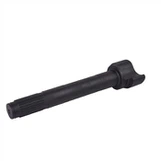
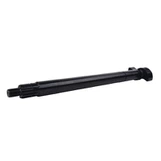
There are different types of camshafts available for trailers, including Front Axle Brake Camshaft, Rear Axle Brake Camshaft, and S Camshaft. Each type is designed to meet specific requirements based on the axle position and the braking needs of the trailer.

The Importance of Proper Bolt Tightening
Bolts play a crucial role in securing the camshaft to the trailer axle. They ensure that the camshaft remains in place during operation, allowing it to function effectively. When the bolts are tightened to the correct torque specification, they create a stable connection between the camshaft and the axle. This stability is essential for the proper alignment of the camshaft, which in turn affects the performance of the braking system.
However, when the bolts are over - tightened, several issues can arise.
How Over - Tightening Bolts Can Damage the Trailer Axle Camshaft
1. Material Stress and Deformation
The camshaft is typically made of high - strength steel or other alloys to withstand the forces generated during braking. When the bolts are over - tightened, excessive stress is applied to the camshaft material. This stress can cause the camshaft to deform, especially in areas near the bolt holes. Deformation can change the shape of the camshaft, which may lead to uneven braking performance. For example, if the camshaft is deformed, it may not rotate smoothly, causing the brake shoes to apply uneven pressure on the brake drums.
2. Cracking and Fracturing
In extreme cases, over - tightening the bolts can lead to cracking or fracturing of the camshaft. The high levels of stress can exceed the material's strength limit, causing microscopic cracks to form. Over time, these cracks can propagate, leading to a complete fracture of the camshaft. A fractured camshaft is a serious safety hazard as it can result in a complete loss of braking ability in the affected axle.
3. Misalignment
Over - tightening the bolts can also cause misalignment of the camshaft. When the bolts are tightened unevenly or with too much force, the camshaft may be pulled out of its proper position. This misalignment can prevent the camshaft from engaging correctly with the brake actuator and the brake shoes. As a result, the braking system may not function as intended, leading to reduced braking efficiency and increased stopping distances.
Preventing Damage from Over - Tightening
To prevent damage to the trailer axle camshaft from over - tightening the bolts, it's crucial to follow the manufacturer's torque specifications. These specifications are based on extensive testing and engineering analysis to ensure that the bolts are tightened to the optimal level.

Here are some steps to follow:
- Use a Torque Wrench: A torque wrench is a precision tool that allows you to tighten the bolts to the exact torque specified by the manufacturer. This ensures that you don't over - tighten or under - tighten the bolts.
- Follow the Correct Tightening Sequence: Some camshaft installations require a specific tightening sequence for the bolts. This sequence helps to ensure that the camshaft is evenly tightened and properly aligned. Make sure to follow the sequence provided in the installation instructions.
- Inspect the Bolts Regularly: Regularly inspect the bolts for signs of wear, damage, or loosening. If you notice any issues, replace the bolts immediately.
The Impact of Damaged Camshafts on Trailer Safety
A damaged camshaft can have a significant impact on trailer safety. As mentioned earlier, a deformed, cracked, or misaligned camshaft can lead to uneven braking, reduced braking efficiency, and increased stopping distances. These issues can put the driver, passengers, and other road users at risk.

In addition, a damaged camshaft may also cause premature wear of other braking components, such as the brake shoes and brake drums. This can lead to additional maintenance costs and further compromise the safety of the trailer.
Our Role as a Trailer Axle Camshaft Supplier
As a supplier of Trailer Axle Camshafts, we understand the importance of providing high - quality products and ensuring that our customers have the knowledge and resources to install and maintain them correctly. We offer a wide range of camshafts, including Front Axle Brake Camshaft, Rear Axle Brake Camshaft, and S Camshaft, all of which are manufactured to the highest standards.
We also provide detailed installation instructions and technical support to our customers. Our team of experts is always available to answer any questions you may have about camshaft installation, maintenance, or torque specifications.
Contact Us for Your Trailer Axle Camshaft Needs
If you're in the market for high - quality Trailer Axle Camshafts or have any questions about our products, we encourage you to contact us. We're committed to providing the best products and services to our customers, and we look forward to working with you to meet your trailer braking needs.
References
- "Trailer Braking Systems: Design and Maintenance" - A comprehensive guide on trailer braking components and their proper maintenance.
- Manufacturer's manuals for Trailer Axle Camshafts, which provide detailed information on torque specifications and installation procedures.