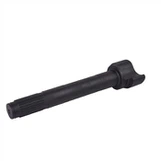
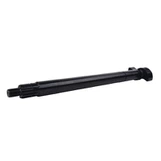
When it comes to vehicle maintenance, replacing the front brake camshaft is a task that requires careful consideration and the right set of tools. As a leading supplier of Front Brake Camshaft, I've seen firsthand the importance of having the appropriate equipment for this job. In this blog post, I'll walk you through the essential tools needed to replace the front brake camshaft, ensuring a smooth and successful repair process.
1. Socket and Wrench Set
A comprehensive socket and wrench set is the foundation of any brake repair job. You'll need a variety of sizes to remove and install the bolts and nuts that hold the brake components in place. Look for a set that includes both metric and standard sizes, as different vehicles may use different measurement systems. A good socket set should have deep and shallow sockets to accommodate various bolt lengths, and a ratchet wrench for easy tightening and loosening.
2. Brake Spring Tool
Brake springs are under high tension and can be dangerous to handle without the proper tool. A brake spring tool is designed to safely compress and release the springs, allowing you to remove and install them without the risk of injury. There are different types of brake spring tools available, so make sure to choose one that is compatible with your vehicle's brake system.
3. C-Clamp or Brake Caliper Compressor
If your vehicle has disc brakes, you'll need a C-clamp or a brake caliper compressor to compress the caliper piston. This is necessary when replacing the brake pads or the front brake camshaft, as it allows you to create enough space to install the new components. A C-clamp is a simple and inexpensive tool that can be used for this purpose, while a brake caliper compressor is a more specialized tool that provides a more precise and controlled compression.
4. Brake Bleeder Kit
After replacing the front brake camshaft, it's important to bleed the brake system to remove any air bubbles that may have entered the lines. A brake bleeder kit consists of a bleeder valve wrench, a clear plastic tube, and a container to collect the brake fluid. This tool allows you to open the bleeder valve and drain the old fluid while simultaneously adding new fluid to the system. Make sure to follow the manufacturer's instructions when bleeding the brakes to ensure a proper and safe operation.
5. Torque Wrench
A torque wrench is an essential tool for any brake repair job, as it allows you to tighten the bolts and nuts to the correct specifications. Over-tightening or under-tightening the bolts can lead to serious problems, such as brake failure or uneven braking. A torque wrench measures the amount of force applied to the bolt and ensures that it is tightened to the recommended torque value. Make sure to use a torque wrench that is calibrated and accurate to avoid any issues.
6. Pry Bar
A pry bar can be useful for removing stubborn components, such as the brake drum or the brake shoes. It can also be used to separate the caliper from the rotor or to adjust the brake clearance. However, be careful when using a pry bar, as it can damage the components if not used properly.
7. Safety Equipment
Safety should always be your top priority when working on your vehicle's brakes. Make sure to wear appropriate safety equipment, such as gloves, safety glasses, and a dust mask. Gloves will protect your hands from sharp edges and hot components, while safety glasses will prevent debris from getting into your eyes. A dust mask is especially important when working with brake components, as they can produce harmful dust and debris.
8. Jack and Jack Stands
You'll need a jack and jack stands to lift the vehicle off the ground and support it safely. Make sure to use a jack that is rated for the weight of your vehicle and to place the jack stands in a stable and secure position. Never work under a vehicle that is only supported by a jack, as it can fall and cause serious injury.
9. Shop Manual
A shop manual is a valuable resource that provides detailed instructions and diagrams for your vehicle's brake system. It can help you identify the components, understand the repair process, and troubleshoot any problems that may arise. Make sure to purchase a shop manual that is specific to your vehicle's make, model, and year.
10. Cleaning Supplies
Before installing the new front brake camshaft, it's important to clean the brake components to remove any dirt, debris, or rust. You can use a brake cleaner or a degreaser to clean the components, and a wire brush or a sandpaper to remove any stubborn rust or corrosion. Make sure to dry the components thoroughly before installing them to prevent any damage.


In conclusion, replacing the front brake camshaft is a complex task that requires the right set of tools and a good understanding of the brake system. By using the tools mentioned above and following the proper procedures, you can ensure a successful repair and a safe driving experience. As a Front Brake Camshaft supplier, we offer a wide range of high-quality brake components and tools to meet your needs. If you have any questions or need further assistance, please don't hesitate to contact us. We're here to help you keep your vehicle's brakes in top condition.
If you're in the market for high-quality Front Brake Camshaft, Axle Brake Camshaft, or S CAM, we invite you to reach out to us for a detailed discussion. Our team of experts is ready to assist you with your specific requirements and provide you with the best solutions for your business. Whether you're a mechanic, a vehicle manufacturer, or a distributor, we can offer you competitive prices, reliable products, and excellent customer service. Contact us today to start the procurement process and take your business to the next level.
References
- Haynes Repair Manuals
- Chilton Repair Manuals
- Vehicle Manufacturer's Service Manuals